The air in late summer of 2014 was thick with the scent of pyrotechnics, dust, and cheap adrenaline. Mainstages across the globe had turned into hyper-efficient assembly lines. The formula of the era was simple, aggressive, and increasingly cold: build up, fake out, and drop into a wall of metallic noise that demanded movement but offered no feeling. The crowd was exhausted, trapped in a loop of endless tension that promised everything and delivered nothing but a temporary distraction. Then, a soft, analog hum crept through the massive speaker stacks. A voice, raw and unpolished, cut through the humidity. It did not demand that we jump. It asked us to feel.
When Swedish DJ and producer Alesso joined forces with singer-songwriter Tove Lo to release Heroes (We Could Be), they were not just trying to write another festival weapon. They were building a sanctuary. It arrived at the absolute peak of the progressive house era, a moment when the genre was teetering on the edge of self-parody. The track did something revolutionary for the time: it prioritized human vulnerability over mainstage dominance.
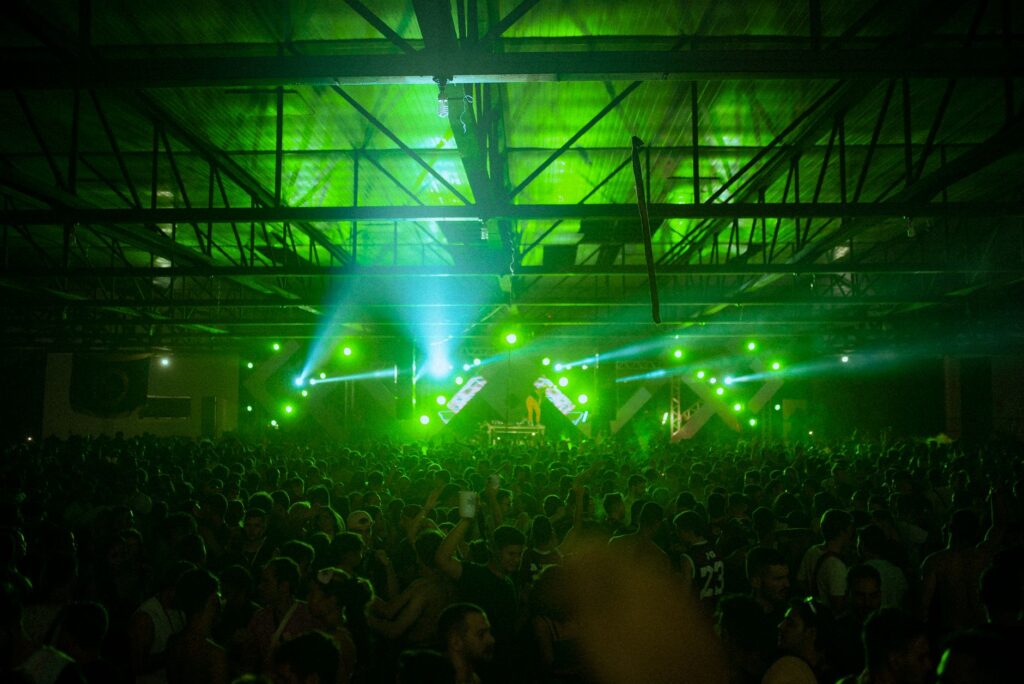
The beautiful friction of Swedish melancholy
Sweden has always understood that the best dance music carries a shadow. It is the bittersweet tension of dancing while crying, a musical tradition that runs from ABBA straight to the legendary work of Avicii. When Alesso sat down in the studio with Tove Lo, they brought two completely different worlds into collision. Alesso, the golden child of the Swedish house movement and protégé of Sebastian Ingrosso, was the master of the sky-high, cinematic melodic arc. Tove Lo, then an rising indie-pop rebel known for her raw honesty, brought a gritty, unfiltered realism that dance music desperately needed.
They did not try to write a mindless party track. They wanted to capture the feeling of being young, mismatched, and slightly broken in a world that demands absolute perfection. Tove Lo’s vocal delivery was the key. It was not the polished, powerhouse diva vocal of traditional house music. It was breathy, human, and wonderfully imperfect. This friction is what makes the track slip past our defenses. It combines Alesso’s pristine, stadium-sized production with lyrics about being everyday losers. It is a song for the kids who did not fit in, played for hundreds of thousands of kids trying desperately to fit in at giant festivals.
Borrowing from David Bowie to heal a broken generation
The emotional core of the song rests on a legendary foundation. The track interpolates the classic David Bowie and Brian Eno masterpiece, Heroes. To touch a piece of history that sacred is a massive risk. In the wrong hands, it could have easily felt like a cheap marketing stunt or a lazy sample. Instead, Alesso and Tove Lo treated the source material with profound spiritual respect. You can read more about the track’s origins and legacy on its Wikipedia page.
They did not sample Bowie’s physical voice; they sampled his philosophy. The idea that we can be heroes, even if it is just for one day, is the ultimate statement of dancefloor escapism. It acknowledged that the rave is a temporary sanctuary. We must return to our normal, difficult lives tomorrow, but for these four minutes, we are infinite. This connection to Bowie elevated the track from a simple radio hit to a cultural touchpoint. It linked the underground art-rock of 1970s Berlin to the neon-soaked mainstages of the 21st century.
The dancefloor is not a place to escape reality: it is the only place where we are allowed to look at our scars without shame.
A lineage of defiance
This lineage of defiance is what separates true anthems from seasonal club hits. When Tove Lo sings about running wild and free, she is not celebrating a luxury lifestyle or a VIP table. She is celebrating survival. Alesso understood this perfectly, framing her voice not as a tool to transition to the next track, but as the absolute centerpiece of the journey. He allowed the emotional weight of her lyrics to dictate the entire structure of the song.
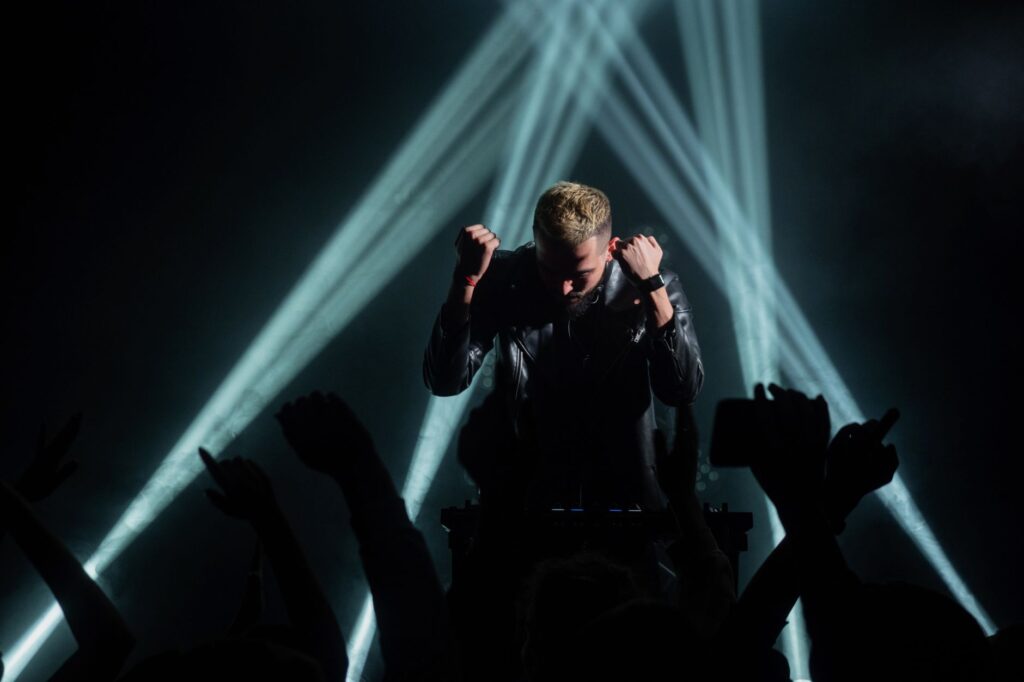
The anatomy of a progressive masterpiece
Musically, Alesso did something incredibly brave for 2014: he let the song breathe. The intro does not rush to the buildup. It starts with a pulsing, analog bassline and a simple kick drum, giving Tove Lo’s voice the space it deserves. When the chord progression finally enters, it does not explode. It rises gradually, like a sun rising over a cold landscape. Alesso uses a classic progressive house structure, but he strips away the unnecessary white noise and aggressive synth layers that characterized the era. You can feel this production mastery firsthand by visiting the official YouTube channel of Alesso to watch his live performances of the track.
The drop itself is a masterclass in melodic tension. Instead of a jarring pitch-bend or a heavy dubstep-influenced bassline, Alesso delivers a soaring, emotional synthesizer lead that mimics the human voice. It feels like a physical release of tension. If you listen closely to the structure, you can see why it became a blueprint for the genre:
- A minimalist verse that prioritizes lyricism and vocal texture over heavy percussion.
- A slow-burning build-up that relies on harmonic progression rather than noise generators.
- A melodic drop that acts as an emotional resolution rather than just a beat to jump to.
- An outro that gently returns the listener to earth, leaving a lingering sense of nostalgia.
Why the algorithm cannot replicate this feeling
Today, the music industry is obsessed with short attention spans. Tracks are engineered to hook the listener in the first five seconds and wrap up before the two-minute mark. They are built for the scroll, not for the soul. Heroes stands as a monument to a time when dance music was still allowed to be epic. It did not care about TikTok trends or playlist algorithms. It cared about the collective shiver that runs through a crowd of fifty thousand people when the lights go down and the chords go up.
This is why the track has survived long after the EDM boom of the mid-2010s faded into memory. It remains a staple of our curated playlists, including our Selection of timeless electronic masterpieces. It is a reminder of what we lose when we let data dictate our art. It proves that the most powerful drop is not the loudest one, but the one that carries the most heart.
If you are a producer trying to find your voice in this noisy digital landscape, do not chase the latest micro-genre. Write something that hurts a little bit. Write something that makes us feel human. If you have a story to tell through your sound, we want to hear it: feel free to submit your music to our movement. Let us go back to the feeling of 2014. Turn off your phone, close your eyes, and let those chords wash over you again.