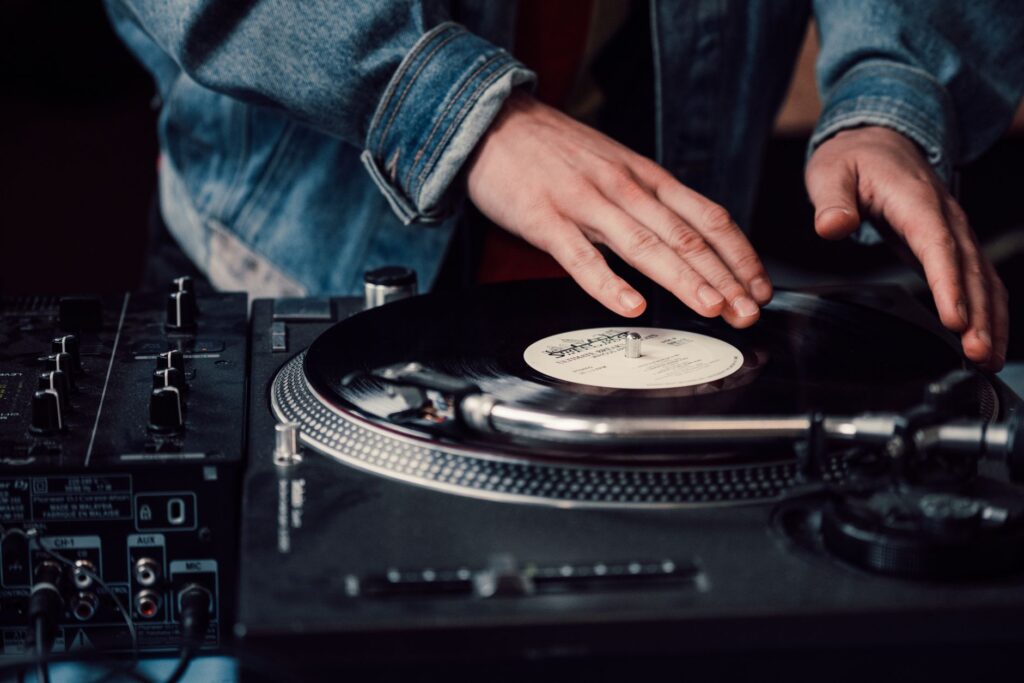
The needle hovers for a fraction of a second. Below it, a black disc of fresh polyvinyl chloride spins at thirty-three revolutions per minute. In an era where electronic music has been reduced to invisible streams of data, sterile waveforms on a screen, and hyper-optimized playlists, this physical object is a beautiful anomaly. It has weight. It has texture. It has a distinct smell of heated plastic and paper sleeves that any true crate digger would recognize in the pitch dark of a club basement.
When Armin van Buuren decided to elevate his five-hour residency show at the newly minted UNVRS Ibiza, he did not just add more folders to his USB drive. He went back to the lathe. He is pressing his own custom vinyl records specifically for this residency, carving his sound directly into physical physical grooves to play a dedicated vinyl set during his marathon performance. This is not a nostalgic marketing stunt. It is a quiet, deliberate rebellion against the touchless, hyper-efficient era of modern dance music.
The physical rebellion of the needle
The modern DJ booth has become a cockpit of absolute digital certainty. Quantized grids, visual waveforms, and instant sync buttons have removed the risk of human error, but they have also stripped away the visceral tension that makes live performance thrilling. By committing to a dedicated vinyl segment during his five-hour set at UNVRS, Armin van Buuren is reintroducing himself, and his audience, to the beautiful instability of the physical format.
Pressing custom records for this residency is an act of artistic preservation. In the fast-paced ecosystem of contemporary clubbing, tracks are often treated as disposable digital content designed to feed social media feeds for a week before disappearing. By taking his own music and pressing it onto wax, he is forcing a slower, more deliberate relationship with the art form. You cannot skip a track with a quick swipe of a finger on a vinyl platter. You have to lift the arm, find the groove, and trust your ears entirely.
Five hours of uncompromised connection
Playing a marathon five-hour show on the white isle requires a deep, psychological understanding of the dancefloor. The legendary culture of Ibiza was built on the backs of selectors who could read a room over half a decade of changing trends, not DJs who executed pre-programmed sixty-minute festival sets. The long-form set is a dying art, and reclaiming it requires tools that demand absolute presence.
Within this massive five-hour time frame, the vinyl set serves as a structural and emotional anchor. It forces a change in the acoustic texture of the room. The analog warmth of vinyl, with its microscopic imperfections and deeper low-end response, creates a visceral contrast to the sterile clarity of digital audio. It demands that the audience listen differently. If you want to understand how this physical connection changes the energy of a dancefloor, explore our Selection of the most uncompromising analog sets of the season.
Vinyl does not lie. It carries the physical imprint of the artist’s hands, the dust of the room, and the friction of the needle. In a world of digital perfection, we need the beautiful truth of friction.
Reclaiming the tactile soul of trance
Trance music was born in the dusty record shops of London, Frankfurt, and Amsterdam. It was built on the physical weight of twelve-inch records arriving in heavy cardboard boxes every Thursday afternoon. When you spun those records, you were physically connected to the music through the slipmat, controlling the pitch with the micro-movements of your fingertips.
The physical pressing process itself is a slow, mechanical craft. It requires cutting a master lacquer, plating it to create metal stampers, and heating polyvinyl chloride pellets under immense pressure. In an era where digital distribution happens in milliseconds, choosing to wait weeks for physical test pressings is a massive statement of intent. It means Armin is treating his residency set not just as another gig, but as a gallery exhibition of physical artifacts.
At UNVRS, the brand-new venue setting a new standard for Ibiza’s nightlife, this analog intervention is particularly striking. The club represents the absolute pinnacle of modern production and futuristic technology, yet its emotional centerpiece will feature a technology patented over a century ago. This juxtaposition is where the magic happens: cutting-edge visual design meeting the raw, mechanical scrape of diamond on plastic.
The beauty of the mistake
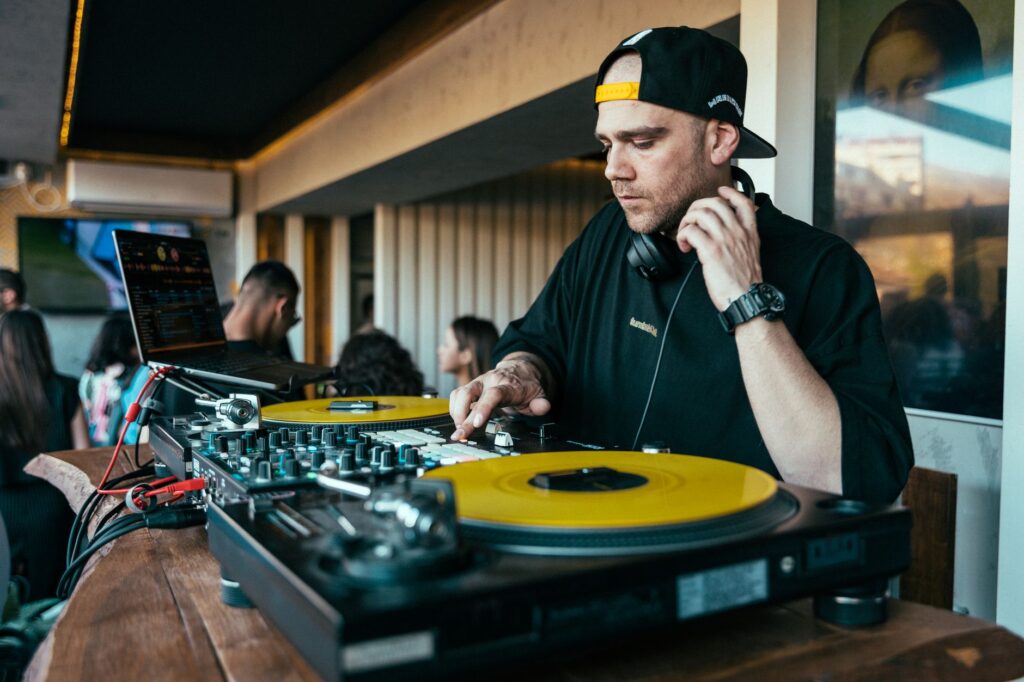
When a DJ plays vinyl, they are constantly adjusting, nudging the platter, and riding the pitch control. It is an active, physical dance between the selector and the machine. A vinyl record can skip. It can collect dust. It can rumble under the heavy bass of a massive club sound system. These potential errors are not flaws, they are the very elements that make a live performance human.
When Armin van Buuren drops the needle at UNVRS, the crowd will not just hear the music, they will feel the tension of a master craftsman working with a volatile medium. It is a reminder that the best moments in dance music cannot be programmed by an algorithm. They are born in the friction of the moment. If you are an artist trying to cut through the digital noise with music that carries this level of raw, physical soul, you can submit your music to our collective.
Let the digital perfection slide away. Go find the dust, feel the weight of the wax, and remember what it means to touch the sound.