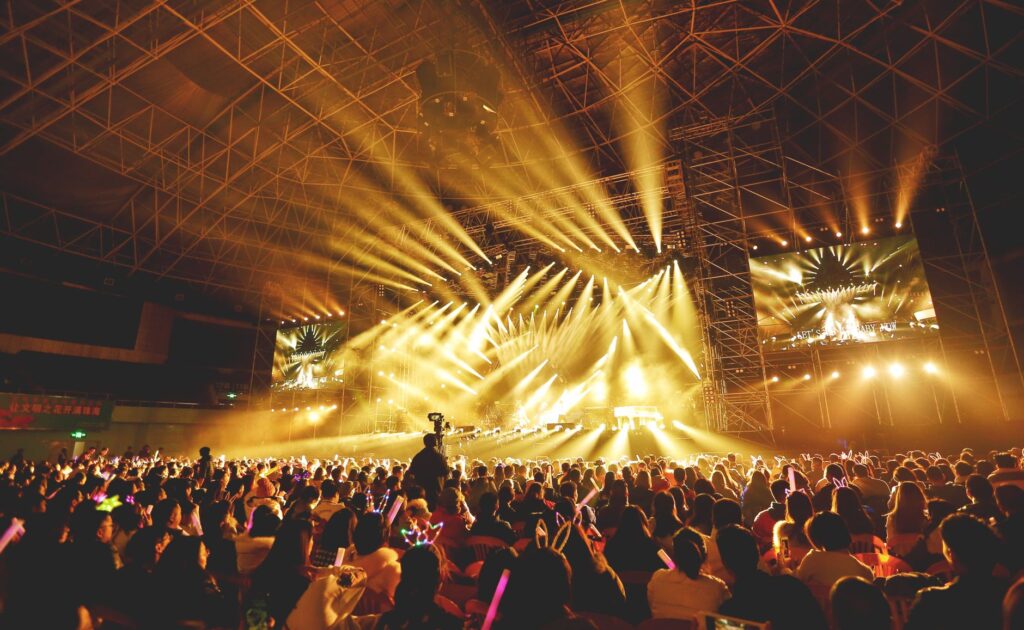
The air inside Friends Arena was thick with an impossible weight. In December 2019, fifty-eight thousand people stood shoulder to shoulder in Stockholm. They were not there for a typical weekend party. They were not there to chase an algorithmic high or watch another identical festival set. They came to mourn, to remember, and to bear witness. On stage stood a fifty-piece orchestra alongside singers and producers who had shared studios with Tim Bergling. When the opening notes echoed through the stadium, something shifted deep within the chest of global electronic music culture. It was not just a tribute. It was the exact second our collective silence was shattered forever.
For years, the dance music machine demanded absolute submission. It fed on sleepless nights, endless flights, and the relentless pressure to stay on top. Tim Bergling, known to the world as Avicii, was the quiet visionary who carried the weight of that mainstage explosion on his shoulders. From posting bedroom tracks under the username Timberman on Laidback Luke internet forums to topping global charts with iconic records like Levels and Wake Me Up, his ascension was meteoric. But behind the blinding lights and record-breaking statistics lay a devastating human cost that the industry chose to ignore for far too long.
The brutal price of relentless mainstage glory
Tim was a self-described shy kid from Stockholm who started mixing tunes in his bedroom at eight years old. When he taught himself FL Studio at sixteen, he was guided purely by love for melody and emotion. By twenty-two, he was leading EDM into the global mainstream. His crossover sound blended pop house with folk, country, and soul, breaking every barrier in front of him. Yet, behind the triumphant stadium hooks was a human being wrestling with severe anxiety, depression, and physical exhaustion.
In 2012, Tim spent eleven days in a New York hospital fighting acute pancreatitis caused by heavy drinking, a coping mechanism for relentless stage fright. Between 2012 and 2014, ongoing pain led to opioid prescriptions and addiction, culminating in major surgery to remove his appendix and gallbladder. Despite entering rehab in 2015 and making the courageous decision to retire from live touring in March 2016, the mental toll remained heavy. On April 20, 2018, in Muscat, Oman, Tim died by suicide at twenty-eight. The dance music ecosystem ground to a sudden, painful halt. The illusion of the bulletproof superstar DJ was broken forever.
The industry insisted the show must go on, until the cost became a soul we could never replace.
Fifty pieces, fifty thousand hearts, one turning point
When Klas Bergling established the Tim Bergling Foundation, the goal was clear: fight mental illness and remove the stigma surrounding suicide. The Stockholm tribute concert became the manifestation of that vision. Hearing an orchestral section strip away the digital polish of modern festival tracks revealed the raw, vulnerable soul beneath Tim’s songwriting. It proved that electronic music was never just about synth drops or pyrotechnics. It was always about deep emotional connection.
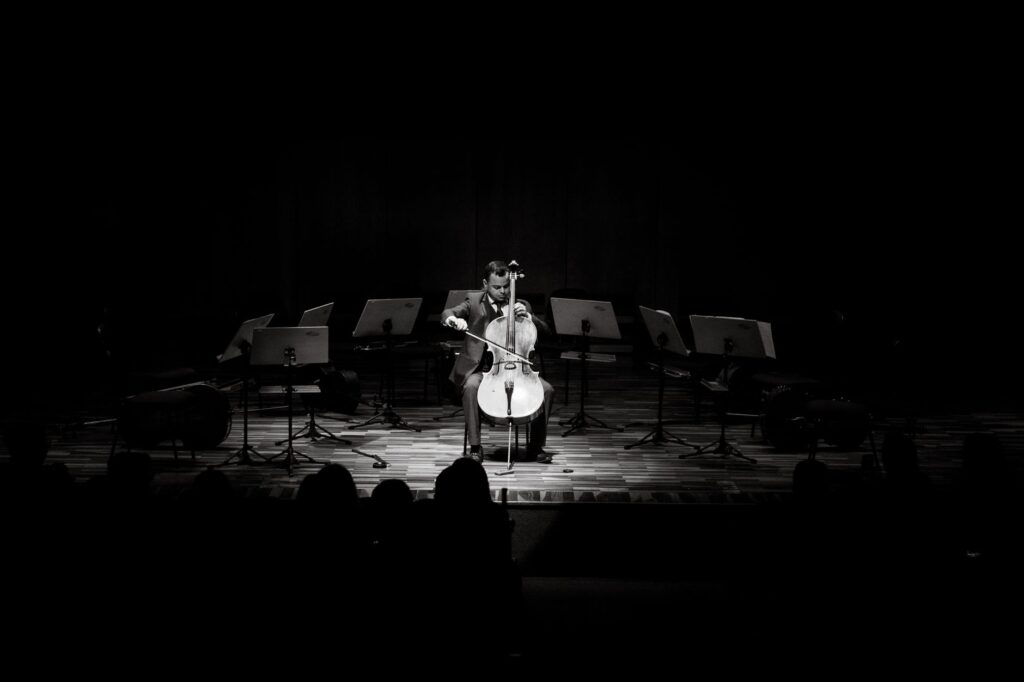
When fifty-eight thousand voices sang the chorus of Wake Me Up alongside live instrumentalists, the energy in the arena turned from agonizing grief into collective healing. We realized that true connection requires radical honesty. You could see artists weeping openly on stage. You could see ravers holding strangers in the crowd. The false bravado of dance culture melted away, leaving pure human vulnerability in its place.
This single night redefined how we evaluate electronic culture in our Selection of defining moments. The concert proved that the true power of a track lies in how deeply it touches the human spirit when the mainstage lasers are turned off.
Why dance music had to shatter its silence
The cultural impact of that evening extended far beyond Sweden. It forced tour managers, record labels, artists, and fans to confront the dark reality of mental health in music production and touring. The industry began to implement real support systems, honest conversations, and wellness protocols that were previously laughed out of green rooms.
Here is what that night permanently shifted in global club culture:
- Mental health awareness: Conversations about anxiety and depression became standard protocol rather than hidden taboos.
- Sustainable touring: Promoters and agencies started prioritizing artist well-being over grueling 200-show annual schedules.
- Acoustic and electronic fusion: The orchestral arrangements proved that club anthems carry timeless compositional power.
- Unified community: Fans realized their shared vulnerability was a source of strength, not weakness.
Where were you when you first heard that tribute performance? Did you feel the ground move under your feet as the silence was broken? The era of treating artists like content machines ended that night in Stockholm. We realized that if we do not protect the human behind the music, we lose the heart of the movement entirely.
If you are an independent creator pouring your honest soul into your craft, we want to hear your voice. Step forward and submit your music to Radical Sound Connection today.