The air inside the Sahara tent on April 29, 2006, was thick with sweat, dust, and doubt. For years, electronic music in America had been relegated to the margins: a subculture dismissed by major labels and ignored by mainstream radio. The industry thought they knew what a dance show looked like. It was a guy behind two turntables, bathed in cheap strobe lights, spinning records for a crowd of enthusiasts. They were not prepared for what was about to descend upon the California desert. When the lights went black, a collective gasp cut through the heat. The curtain fell, and there it stood: a massive, three-story LED pyramid, glowing with an alien intensity. In that single, breathtaking moment, Daft Punk did not just play a set. They resurrected electronic dance music, shattered the industry’s expectations, and single-handedly birthed the modern festival era.
The night the California desert held its breath
People still talk about where they were when the pyramid turned on. It was Daft Punk’s first performance in the United States since 1997, and the anticipation was laced with skepticism. The duo had recently released Human After All, an album that polarized critics and fans alike with its raw, repetitive, and mechanical energy. The industry was ready to write them off as a relic of the late nineties house boom. Instead, Thomas Bangalter and Guy-Manuel de Homem-Christo stepped inside a futuristic command center and changed the cultural landscape forever.
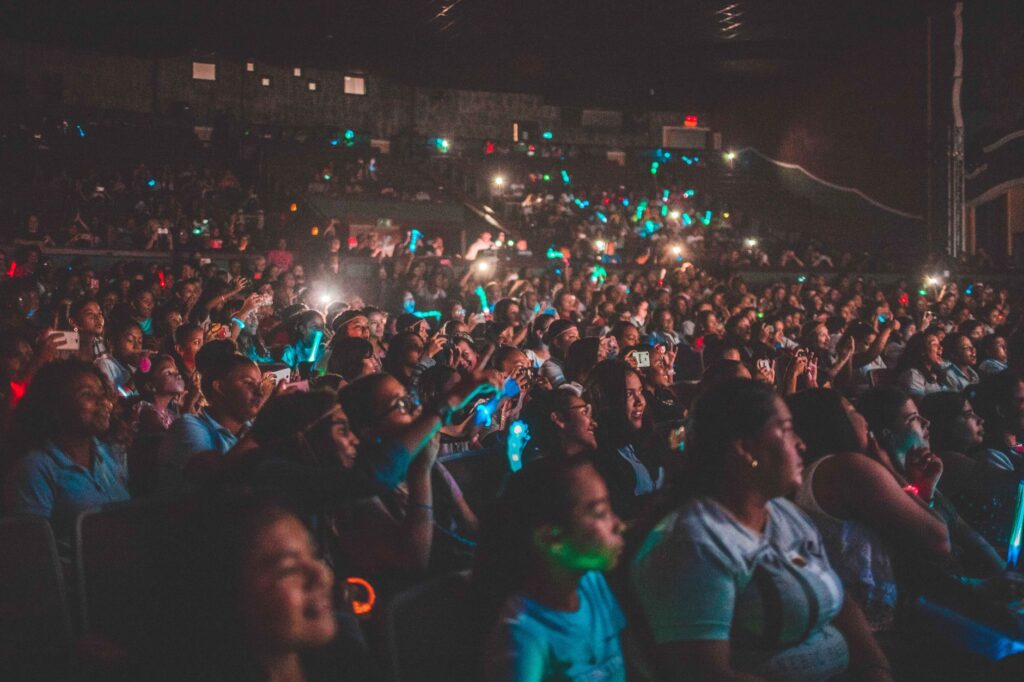
The visual impact was immediate, but the sonic onslaught was what truly shook the crowd. This was not a passive DJ set. It was a live, real-time reconstruction of their entire catalog, delivered with a visceral intensity that felt less like a concert and more like a religious experience. The crowd of roughly 40,000 people, many of whom had squeezed into a tent designed for 10,000, watched in awe as the glowing structure pulsed in perfect synchronization with the music. It was a sensory overload that made everything else in the music industry look obsolete overnight.
A glowing monument built to destroy the ordinary
What Daft Punk understood, which the rest of the industry had failed to grasp, was that electronic music required a physical monument. It needed a focal point, a temple where the digital and the human could merge. The pyramid was not just a stage prop: it was a physical manifestation of their sound. It was an anti-algorithm statement, a declaration that live electronic music could be just as dramatic, heavy, and monumental as any rock stadium show.
The music itself was a masterclass in tension and release. The duo did not just play their hits: they collided them together, creating entirely new artistic statements. They mixed the vocal elements of Too Long with brand new, driving basslines. They crashed the frantic energy of Television Rules the Nation into the celebratory bounce of Crescendolls. They welded Around the World to the relentless march of Harder, Better, Faster, Stronger, creating a hybrid that felt both nostalgic and terrifyingly futuristic. This performance proved that dance music was not a collection of disposable loops, but a living, breathing art form. If you want to discover more defining sounds that refuse to bow to the algorithm, check out our Selection of essential tracks.
How the Alive tour rewrote the rules of performance
The legendary Coachella set was just the beginning of a global phenomenon. The performance was captured and refined during their subsequent tour, culminating in the historic show at the Palais Omnisports de Paris-Bercy in Paris on 14 June 2007. This performance was recorded and released as the live album Alive 2007 by Virgin Records on 19 November 2007. The release was a massive critical and commercial success, eventually winning a Grammy Award for Best Electronic/Dance Album in 2009.
The album remains a document of a tour that redefined what was possible on a stage. The retail release of the album in North America was delayed to 4 December 2007 due to production problems, forcing eager fans to wait, though digital downloads became available on 20 November 2007. The United Kingdom release followed on 25 February 2008. The live version of Harder, Better, Faster, Stronger was released as a single, capturing the raw energy of the tour.
The genius of Alive 2007 lay in its brilliant, unexpected mashups. The duo blended elements of Superheroes with Human After All, and even incorporated Swizz Beatz’s production of Busta Rhymes’s track Touch It, which originally sampled Technologic. They also wove in elements of Gabrielle’s Forget About the World, a track they had remixed years prior. For the legendary encore, Thomas Bangalter brought in his side projects, mixing Stardust’s Music Sounds Better with You and Together’s self-titled track Together into a euphoric finale. It was a celebration of their entire musical journey, documented beautifully on the Wikipedia page for Alive 2007.
The pyramid was not a stage prop: it was a physical temple where the digital and the human merged to destroy the ordinary.
From muddy Scottish tents to digital eternity
The impact of the Alive tour stretched far beyond the arenas of Paris and the deserts of California. Daft Punk took their pyramid to the world, headlining legendary festivals and leaving a trail of transformed minds in their wake. They played at the RockNess Festival on the banks of Loch Ness in Scotland on 10 June 2007, packing the 10,000-capacity Clash tent so tightly that part of the tent had to be removed so thousands of fans outside could witness the spectacle.
They went on to headline the O2 Wireless Festival, Oxegen in Ireland, where their set was preceded by a trailer for their film Daft Punk’s Electroma, and the Traffic Torino Free Festival at Parco della Pellerina in Turin, Italy. In August 2007, they headlined the AT&T stage at Lollapalooza in Chicago, earning rave reviews from Pitchfork for delivering a much-needed reminder of the potent power of communicative pop.
The legacy of that 2006 pyramid debut is still felt today, even in the virtual worlds of the twenty-first century. On September 27, 2025, an interactive experience in the video game Fortnite recreated the tour’s iconic stage show. Developed in collaboration with Cédric Hervet, the creative director for Daft Punk, this digital tribute allowed a new generation to experience the awe of the pyramid. If you are an artist pushing the boundaries of live performance and visual storytelling, you can submit your music to our collective and join the movement.
Were you ready for the shift?
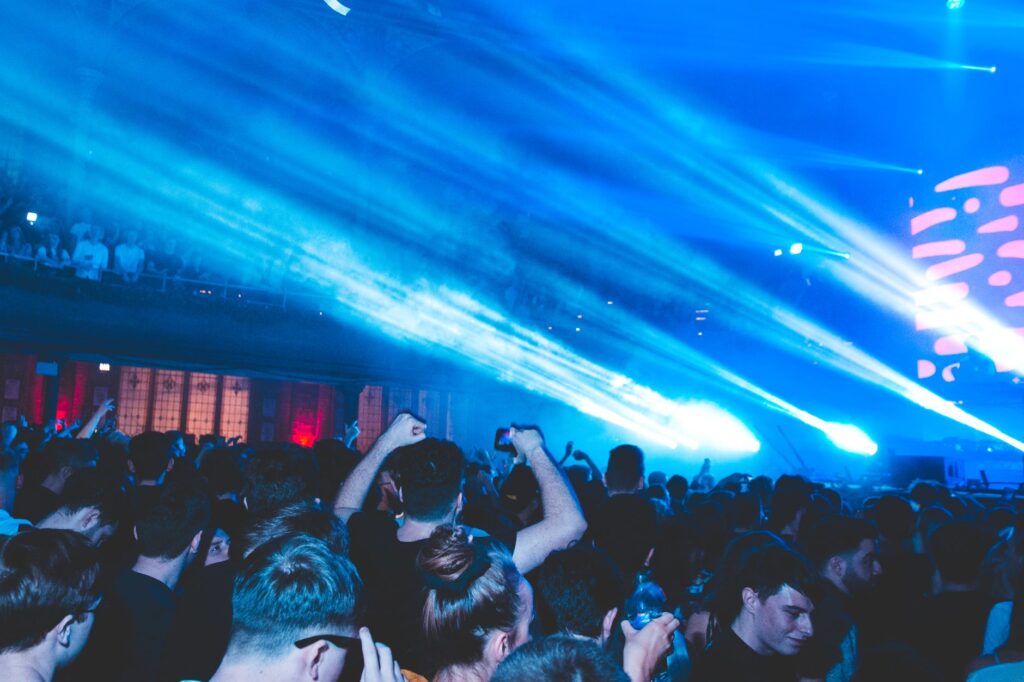
Before the pyramid, festivals treated electronic music as an afterthought, a sideshow hidden away in dark tents. After Coachella 2006, the industry realized that electronic music was the main event. The glowing LED structure set the blueprint for the massive, high-production mainstages we see today. But while modern festivals have copied the scale, few have matched the pure, unadulterated emotion of that night in the desert.
It was a moment of pure artistic defiance: a statement that we are human after all, even when surrounded by machines. Where were you when you first heard the echoes of Alive 2007? Were you ready for the shift when the rest of the world was still asleep?