A rack unit boots up in the dim light of a late-night studio in late 1999. On the tiny digital screen of a Roland JP-8080 synthesizer, two words appear as the system initializes: sand storm. There was no grand corporate strategy. There was no room full of songwriter pitch teams. There was only a Finnish producer sitting in front of a flickering computer monitor, crafting a 136 beats per minute instrumental in E minor that would eventually echo across world stadiums for decades.
Before it became a sporting stadium standard, an internet meme, or a global chart killer, Sandstorm was an act of pure bedroom grit. It represents a precise moment in electronic music history where human emotion bypassed major label gatekeepers and conquered the planet purely on raw momentum.
From tracker software to a studio revolution
Toni-Ville Virtanen started out making happy hardcore under the alias Rudeboy using music tracker software on a modest home PC. He spent early sessions building light Eurodance tracks alongside Wille “Weirdness” Heikkilä in a project called Position 1. He was a sonic tinkerer obsessed with tension and build-ups, testing synth patches late into the night.
Everything shifted in September 1999 when he crossed paths with Jaakko Salovaara, known to the electronic world as JS16, the visionary producer behind the Bomfunk MC’s. Salovaara recognized the raw energy in Virtanen’s rough cut trance demos. They locked themselves in JS16’s studio for roughly one week, refining sound design, sculpting bass lines, and polishing the arrangement. Salovaara was launching a new imprint named 16 Inch Records, and he immediately signed Darude as his flagship artist.
That initial week of high-intensity collaboration produced a track devoid of vocals, hooks, or pop structures. It relied entirely on a driving lead synthesizer line that felt like an urgent warning system. If you want to dive deeper into tracks that redefined subcultural soundscapes, explore our Selection of underground classics and modern anthems.
The digital revolution on MP3.com
Long before Spotify playlists dictated global music consumption, the early internet offered an unfiltered frontier. Darude had been sharing his trance experiments on MP3.com, an open portal where independent musicians uploaded work directly to eager listeners. He posted the full-length demo of Sandstorm on the platform, allowing the global rave community to discover it organically.
The track spread like wildfire across early online forums, club chatrooms, and peer-to-peer connections. The demand grew so rapidly that worldwide record labels took notice. By 2000, Darude had to update his artist profile page with a note explaining that he was forced to remove the full-length track from MP3.com at the explicit request of his new record company. The digital fire could not be contained. The track had already escaped the studio into the wild mass consciousness.
Released initially in Finland on October 26, 1999, before taking over global airwaves in 2000, Sandstorm proved that a wordless instrumental piece could outperform pop royalty. For full historical details and track documentation, read the Wikipedia history of Sandstorm.
Why 136 BPM in E minor moves the soul
Why does a track without a single vocal line bring thousands of strangers to tears while making them jump in unison? The answer lies in the psychological tension built into its electronic architecture. Sandstorm uses relentless repetition not to dull the mind, but to create an inescapable state of presence.
Electronic dance music at its purest does not tell you what to feel with complex lyrics. It creates an undeniable atmosphere where your own emotions fill the room.
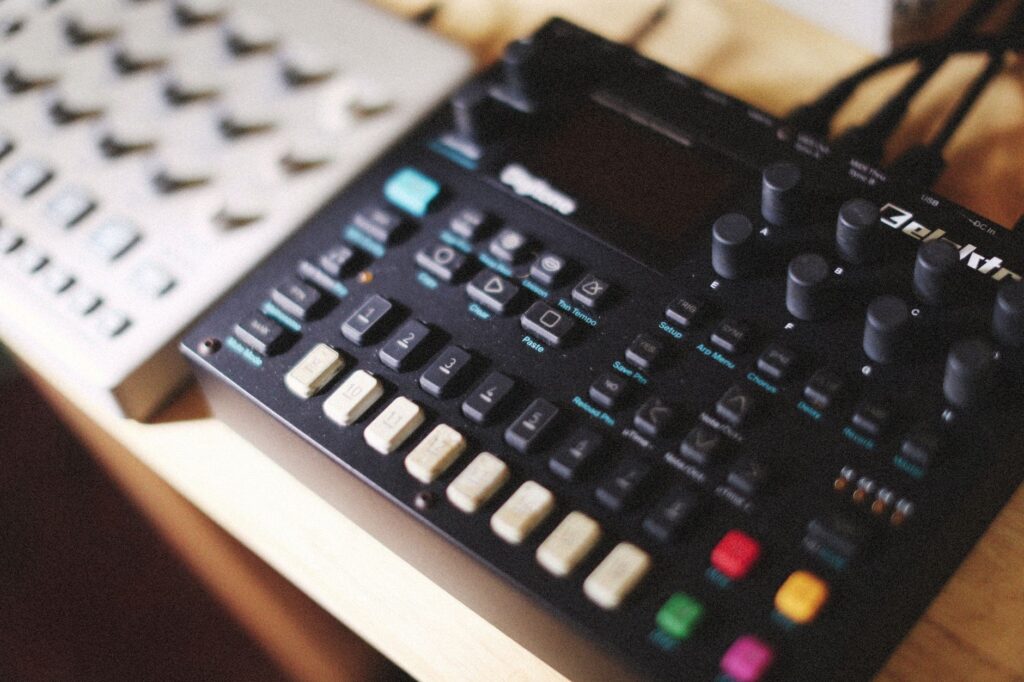
The physical composition of the track relied on a legendary combination of early digital tracking tools and analog hardware warmth:
- Pentium II PC running Cubase VST 32 and FastTracker 2 software for early arrangements
- Software tools like Propellerhead ReBirth and Korg TR-Rack modules
- Atari 1040ST running Cubase inside JS16’s main production space
- Roland JP-8080 module delivering the iconic main lead patch
- Ensoniq ASR-10 sampler and NordLead2 synth sculpting the hard rhythmic backbone
- Behringer rack compressor and Ensoniq DP4 multi-effects processor adding punch and glue
The track’s key of E minor delivers a heroic yet melancholic tension. The 136 BPM cadence matches the human pulse during peak physical exertion. It triggers a primal response that transcends language barriers and cultural divides.
A Helsinki chase and global domination
To visual artist Juuso Syrjä, known as Uzi, the track sounded like a high-stakes cinematic chase scene. He directed an iconic music video filmed right on location in Helsinki. The narrative featured two armed guards pursuing a woman holding a mysterious briefcase past landmark locations like the Helsinki Cathedral and Senate Square, while Darude appeared calmly at every turn, observing the madness.
The clip made history as the very first Finnish music video broadcast on MTV in the United States, earning multiple awards across Europe. The record went on to top national charts in Canada and Norway, earning platinum certification in the United States from the RIAA after selling over one million copies. Globally, sales topped two million units, and the song was licensed for over 200 compilation albums.
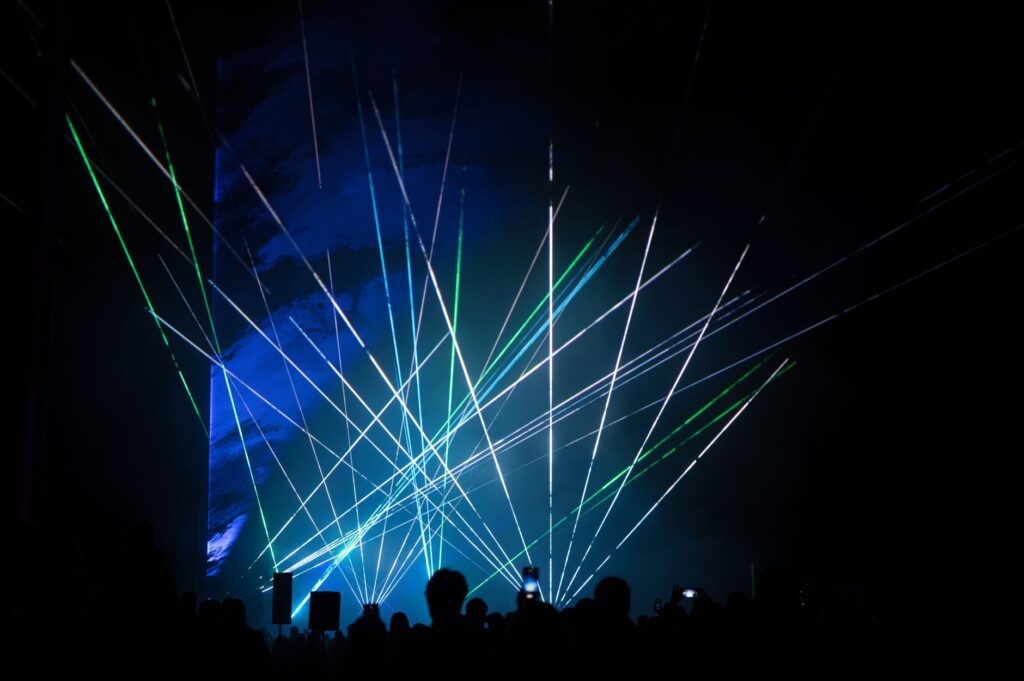
Decades after its debut, its cultural reach remains unprecedented. On the centenary of Finland’s independence in 2017, tens of thousands gathered in Senate Square as Darude performed Sandstorm as part of the official national celebration. In 2025, Billboard magazine solidified its legacy by placing it at number 65 on their list of the 100 Best Dance Songs of All Time.
If you are a producer sculpting raw, unfiltered soundscapes in your own studio, submit your music to Radical Sound Connection and share your journey with our community.
Music is emotional urgency, not an algorithm
Sandstorm was not designed by dynamic focus groups or tuned for short-form social media metrics. It was born out of late nights, hardware synthesizers, and the belief that a rhythmic pulse can unify a room full of strangers. When the main synth riff strikes, culture disappears and pure kinetic feeling takes over.
Never forget that music is an unscripted emotional emergency. Turn off the algorithmic stream, turn up the monitor speakers, and feel the noise.