The sun is a bleeding orange circle sinking into the Balearic Sea. Your feet are pressed against the cold, rough rocks of San Antonio. There are no velvet ropes here. There are no security guards checking your wristband or demanding a four-figure minimum spend for a bottle of mediocre vodka. Your clothes are damp with salt and sweat. Next to you, a stranger from a country you have never visited shares a warm beer. Then, the music begins to rise from the speakers. It starts with a simple, melancholic acoustic guitar pluck that slowly morphs into a soaring synthesizer line. In that exact moment, as the light fades, several hundred people raise their hands in complete, uncoordinated unison. Nobody is holding up a phone. Nobody is looking at a camera. Everyone is looking at the horizon, feeling the exact same wave of beautiful, overwhelming insignificance.
This was the promise of Ibiza. This was the raw, unpolished reality that birthed one of the greatest electronic music tracks ever created. Released in 1993, Energy 52’s Café Del Mar was not just a club hit. It was a sonic translation of a collective spiritual experience. Named after the legendary sunset bar on the San Antonio strip, the track captured the pure essence of Balearic freedom. Today, that original freedom is under siege by a corporate machine that trades in artificial luxury and algorithmic curation. But the melody remains, serving as a permanent reminder of what we lost, and what we must fight to reclaim.

The geometry of a timeless masterpiece
To understand why this track still gives us chills after three decades, we have to look past the nostalgia. The brilliance of Café Del Mar lies in its deliberate, emotional architecture. Created by the German duo of Harald Blüchel (Cosmic Baby) and Paul M. (Kid Paul), the track was built around a melody inspired by Belgian composer Wim Mertens’ minimalist piece, Struggle for Pleasure. It was a marriage of classical emotional depth and early electronic dance music energy.
The track does not rely on cheap tricks. There are no aggressive build-ups designed to trigger a dopamine spike for a ten-second video clip. Instead, the track operates on a slow, hypnotic progression. It coaxes you into a state of active listening. The iconic synthesizer lead is both joyful and deeply sad, capturing the bittersweet beauty of a sunset, which is, by definition, the beautiful death of a day. It is this emotional duality that makes the track immortal. It is a monument built on the human condition, not a seasonal trend designed to expire in six months.
True euphoria is a democratic experience. It belongs to the kid dancing in the dirt, not the millionaire hiding behind a velvet rope.
The plastic invasion of the white isle
Now, look at the Ibiza of today. The modern landscape of the white isle has become a playground for the global elite, a high-priced theme park where music is treated as background noise for luxury lifestyles. The rocks where ravers once sat for free have been obscured by expensive beach club loungers. The legendary dancefloors have been sliced up to accommodate VIP tables, separating the wealthy spectators from the real dancers who actually generate the energy of the room.
We are told that this is progress. We are told that the island has evolved. But the truth is far more cynical. The music industry has traded spiritual connection for financial transaction. When a club ticket costs a hundred euros and a single bottle of water costs twenty, the dancefloor ceases to be a sanctuary. It becomes an exclusive club where status is measured by your bank account rather than your passion. The music is programmed to be safe, predictable, and highly shareable on social media. It is designed to be consumed, not felt.
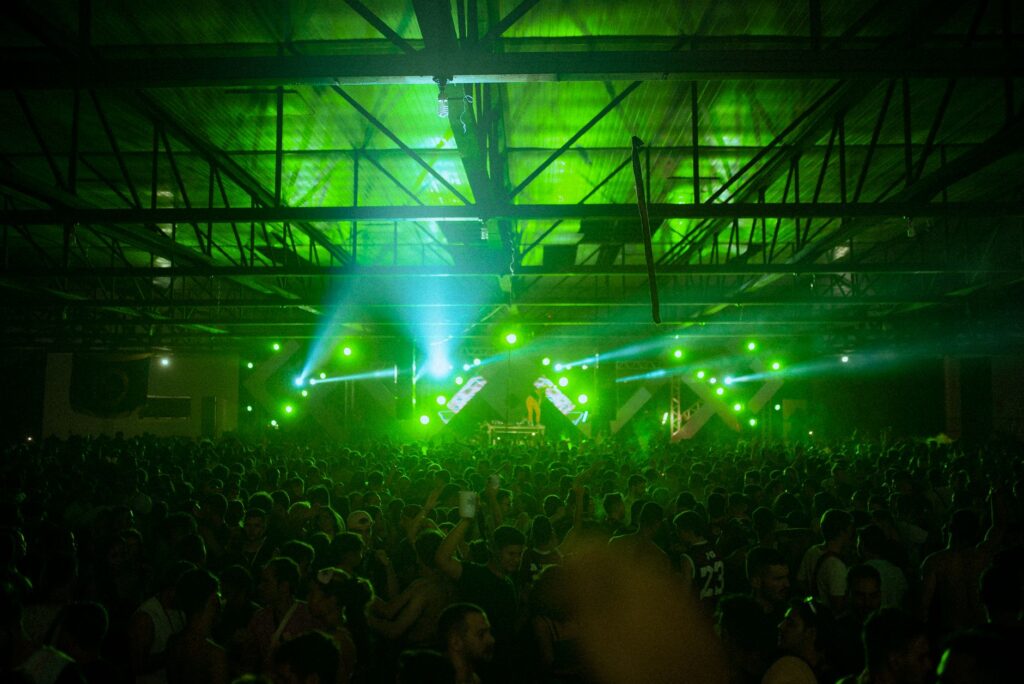
The real dancefloor is a revolutionary act
This is where we draw the line. Against this tide of commercialization, the legacy of tracks like Café Del Mar stands as a revolutionary statement. You cannot buy the feeling that this melody creates. You cannot reserve it with a credit card. You cannot capture it in a TikTok video because the moment you try to document it, you remove yourself from the experience. It exists only in the present tense, shared between bodies moving in the dark.
We believe in the preservation of these sacred spaces. We believe in the power of music to dissolve social barriers, not create them. When we play these classic anthems, we are not just engaging in nostalgia. We are performing an act of resistance. We are keeping the original flame alive, proving that the corporate machine can buy the venues, but they can never buy the soul of the movement.
The checklist of the authentic dancefloor
- Total presence: Phones in pockets, eyes on the music, minds connected to the room.
- Democratic space: No VIP divisions, no hierarchy, just one unified crowd.
- Emotional risk: Music that dares to be melancholic, long, and complex.
- Human connection: Sweating together, dancing with strangers, sharing the moment.
If you are tired of the sanitized, algorithm-approved soundtracks of the modern club scene, you are not alone. We are building a global community of artists and music lovers who refuse to let the soul of electronic music be bought and sold. We invite you to explore our Selection of raw, uncompromising electronic music that honors the spirit of the early pioneers.
The system wants you to be a passive consumer, watching the party through a screen. We want you to be on the floor, feeling the sweat, and touching the sky. If you are a producer making music that carries this raw, emotional truth, we want to hear it. Do not adapt to the trends of the day. Stand your ground and submit your music to our movement. Let us bring the real dancefloor back to life, one honest melody at a time.