The executive silence that almost killed a legend
In the late summer of 2010, Calvin Harris decided he was done being a frontman. After playing his final show with his live band at Creamfields, the Scottish producer felt a profound need to change how his art met the world. He was exhausted by singing every night, acutely aware of his vocal limits, and dreamed of stepping out of the spotlight entirely. His vision was simple: become the quiet architect behind the scenes, handing massive productions over to world-class female vocalists while he remained the silent creator in the shadows.
For three months, Harris locked himself inside his studio. He poured his energy into crafting instrumental powerhouses like “Awooga” and the foundation of “Bounce”. With a fresh batch of tracks in hand, he walked into the London offices of Columbia Records expecting enthusiasm. Instead, he was met with a wall of cold, executive indifference. The response from his label was overwhelmingly lukewarm, leaving him standing on the pavement outside with his head spinning in disbelief.
He did not collapse into despair. He did not call a team of consultants or consult streaming metrics. He walked back to his room with a heavy heart and a singular, burning thought: if nobody else believed in the vision, he would record the vocals himself and prove everyone wrong.
Three hours of pure defiance in a dark studio
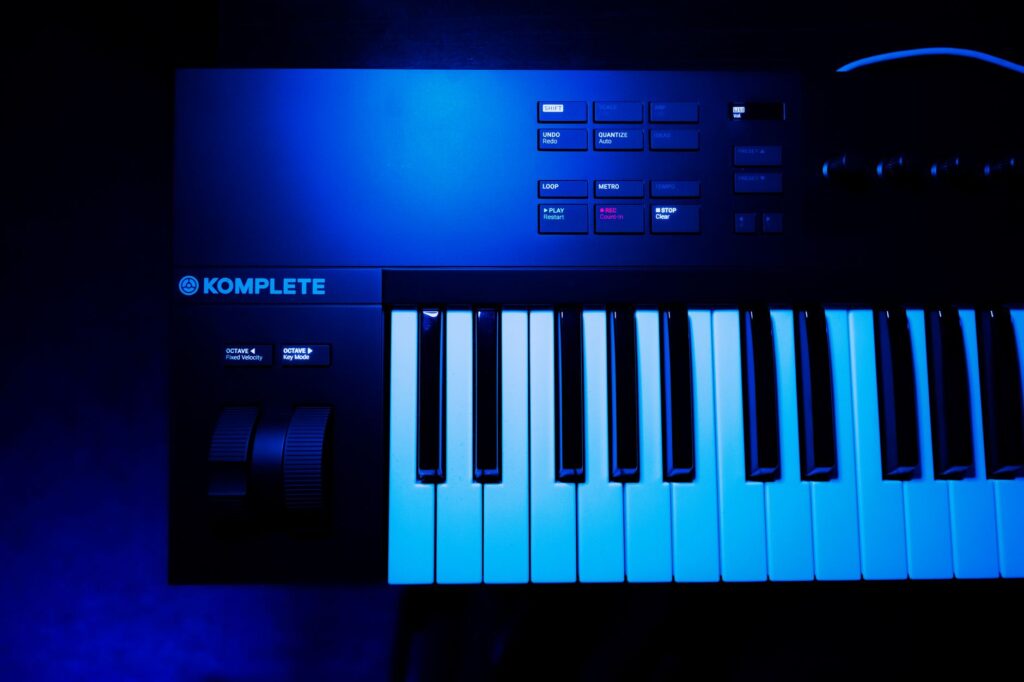
The creation of an immortal track rarely happens in comfortable boardrooms. It happens when an artist is pushed into a corner with nothing left to lose. Feeling deeply sad yet fueled by pure artistic spite, Harris turned on his studio microphone and laid down a vocal track in just a few hours. He had previously stated he would never sing on stage again, but this track required raw desperation rather than technical perfection.
What emerged from that frantic session was “Feel So Close”. It was released as the second single from his third studio album, 18 Months (2012), marking his return as a lead vocalist against his own previous declarations. He did not use a polished falsetto or over-pitch his delivery. He spoke directly into the capsule with an unrefined, intimate gravity that felt less like a pop performance and more like a late night confession.
Why clumsy vulnerability beats polish every single time
When music critic Robert Copsey reviewed the track for Digital Spy, he gave it four out of five stars, noting how Harris “sing-speaks in a clumsy but infatuated manner over melancholic piano chords” before the track erupts into synthesizers that bound around like a bucking bronco. That exact contrast is the secret key to why the record resonated across the globe. Mainstage electronic dance music in 2011 was moving toward slick, hyper-compressed commercialism, yet here was a track built on emotional vulnerability and raw imperfection.
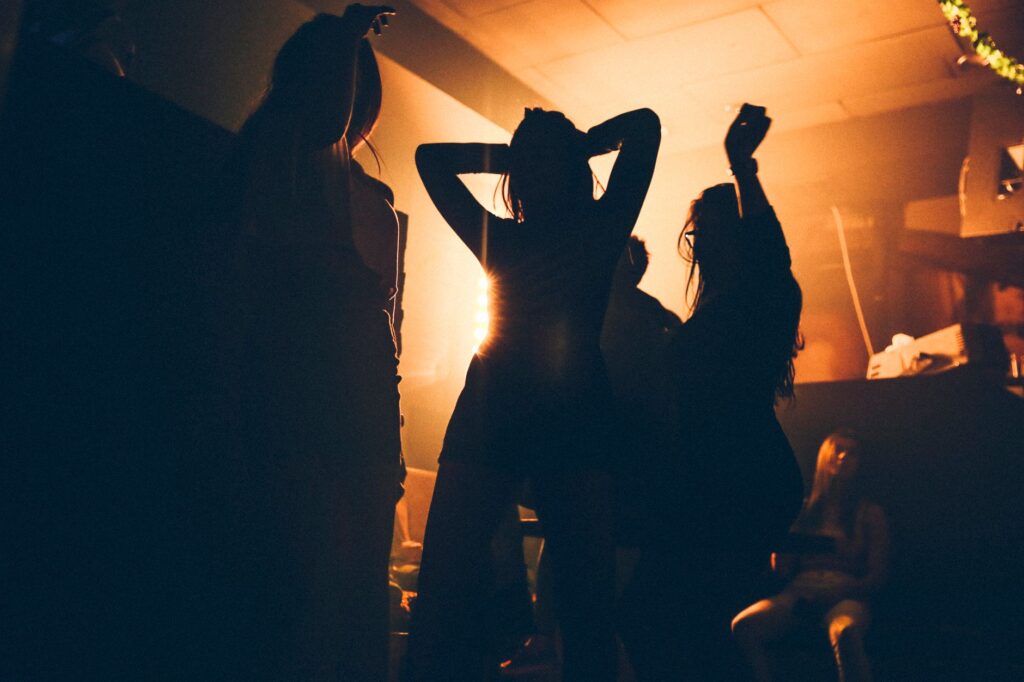
This track makes crowds cry and jump at the exact same moment because it captures dual realities of the human condition. The verses represent isolation and longing, grounded by solemn piano keys and an honest Scottish voice. The drop represents absolute release, where grief is transformed into physical ecstasy. It is an emotional blueprint that many try to replicate using software presets, but it only works when the spirit behind the synth stems from real personal pain.
From Kramer Junction to the center of the world
The visual identity of the single echoed its grounded, dusty authenticity. Directed by Vincent Haycock and premiered on 14 July 2011, the music video skipped glossy night clubs for the arid landscapes of California. Filmed in Kern County, Kramer Junction, Rosamond, and Randsburg, it captured restless youth, endless dirt roads, and the iconic cowboy with his horse that adorned the single cover. It felt grounded in real spaces rather than synthetic stage sets.
The impact of this reckless gamble was immediate and staggering. The track debuted at number two on the UK Singles Chart, becoming his sixth solo top ten single. It broke open the North American market, becoming his second single to chart on the Billboard Hot 100 following his massive collaboration with Rihanna on “We Found Love”. By the end of 2012, the song had sold over 2.17 million copies in the United States alone, sound-tracking iconic culture moments from Team iLuminate on America’s Got Talent to major television series like The Vampire Diaries.
- Written and recorded in just a few hours following a disappointing meeting at Columbia Records.
- Marked Harris’s unexpected return to lead vocals after announcing he had retired from singing.
- Achieved over 2.17 million US sales by late 2012 and reached number two on the UK Singles Chart.
- Directed by Vincent Haycock across real desert towns in California.
“Feel So Close” was born because an artist refused to let corporate indifference extinguish his fire. It proves that raw human truth will always overpower pre-packaged perfection.
On 19 August 2021, the tenth anniversary of the release, Harris reflected publicly on how close he came to abandoning the path that made him a global titan. He admitted he was confused about his life and career in late 2010, thinking he had entirely ruined his trajectory before writing the track out of sheer refusal to surrender. His story remains a permanent reminder to every modern producer: algorithms track engagement, but only raw, unfiltered feeling can build an immortal sanctuary.
If you are an independent creator pouring your soul into sound, explore our Selection to hear how true emotion still drives global electronic culture, or submit your music to share your story with our movement.