Miami, March 22, 2013. The sun was setting over Bayfront Park, and the crowd at the Ultra Music Festival mainstage was primed for the standard EDM menu. They wanted heavy kick drums, rising synth risers, and predictable drops. They expected a victory lap built on massive global hits like Levels. Instead, Tim Bergling pulled off the most aggressive artistic risk in dance music history.
Halfway through his set, Avicii stopped playing standard progressive house. He unplugged the digital safety net. Musicians carrying acoustic guitars, banjos, upright basses, and even a kazoo walked out onto the mainstage. When Aloe Blacc stepped up to the microphone to sing a brand new track called Wake Me Up, the crowd stood in utter disbelief. Some froze. Some booed. Within minutes, the internet exploded in violent outrage.
The tension on the Miami mainstage
To understand the magnitude of that night, you have to remember what the festival mainstage felt like in 2013. Electronic Dance Music was experiencing a massive commercial boom, but it was also suffocating under its own formula. Every DJ was playing the same high energy electro tracks. The crowd was trained to expect continuous synthesised loops. Nobody was prepared for organic roots music on the biggest dance floor on the planet.
Avicii knew exactly what he was doing. He was not interested in delivering a safe set. He had spent months working on new material that pushed past traditional house music boundaries, blending bluegrass and country influences into a synthetic landscape. As he stepped behind the decks, he was preparing to preview nearly forty minutes of unreleased material from his upcoming debut studio album.
A calculated disruption for a scene half stuck
In interviews regarding his debut record, Avicii spoke openly about his motives. He explicitly stated that the electronic dance music scene was half stuck, and he wanted to bring disruption to break up the monotony of festival sets. He knew the risk he was taking. Prior to the festival, he openly admitted that his team fully anticipated that people would be provoked by the sudden acoustic shift.
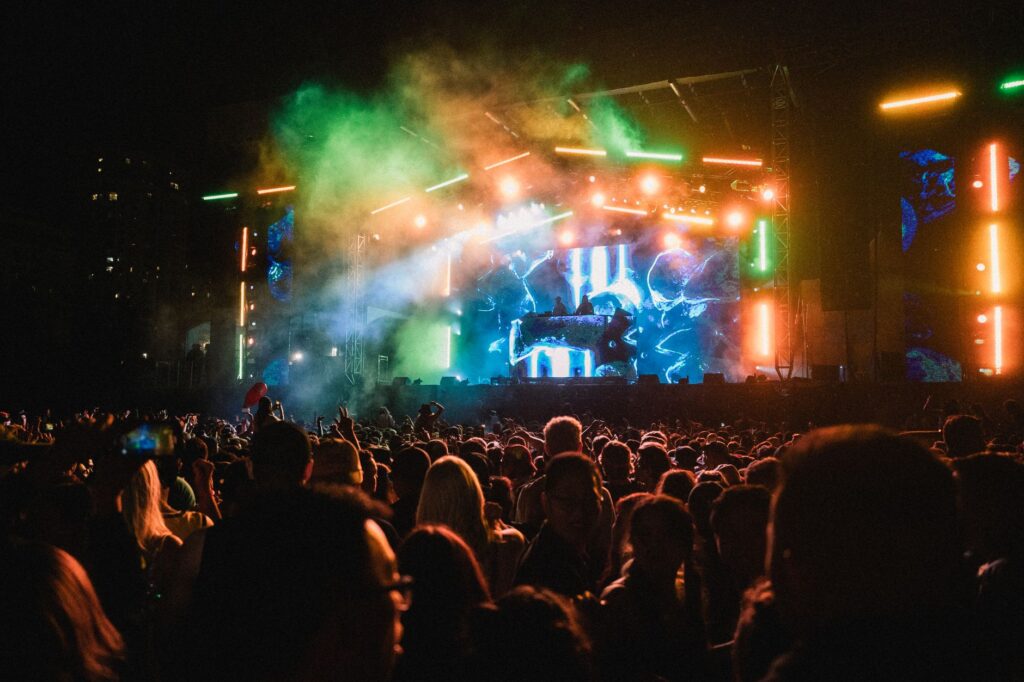
When the live band kicked in with heavy bluegrass elements, the reaction from the crowd was immediate confusion. People did not know how to dance to a banjo on an Ultra mainstage. The energy shifted from pure euphoria to bewildered silence. For a culture built on absolute unity, the divide inside Bayfront Park was uncomfortable and tangible.
Yet, this was the exact moment where true artistic courage declared itself. Avicii was not interested in pleasing an algorithm or repeating a commercial blueprint. He wanted to be true to his personal musical preferences and broader influences. He knew that authentic art requires vulnerability, even if it means alienating thousands of fans in real time.
The instant backlash and internet fury
As the performance unfolded, social media erupted into a firestorm of negativity. Critics, fans, and fellow DJs immediately took to Twitter to bash the set. Producer Kill the Noise posted a sarcastic tweet comparing the controversial performance to other viral moments, while online forums declared the performance an absolute disaster.
The media headlines the next morning were equally merciless. Pundits claimed that Avicii had ruined his career and fundamentally misunderstood his audience. They viewed the acoustic experiment as an insult to electronic music culture. They wanted the comfort of familiar loops, not the raw unpredictability of live folk instruments.
True art does not give the audience what they want: it gives them what they did not know they needed.
What the critics failed to understand was that they were witnessing the birth of a brand new subgenre. Avicii was playing the long game. You can check the complete historical background on the Wikipedia record of True to see how the project originated. While the festival crowd digested their shock, the Swedish producer was already preparing to change global radio forever.
From mockery to global domination
On September 13, 2013, PRMD Music and Island Records officially released True. The debut studio album proved every critic wrong overnight. The lead single Wake Me Up rapidly climbed to the top of music charts across the world, becoming one of the most successful crossover records in modern history. Followed by hits like You Make Me featuring Salem Al Fakir, the album debuted at number two on the UK Albums Chart and reached the top ten in over ten countries.
The very same festival crowd that had ridiculed the banjo lines in March was shouting every single lyric by the end of the summer. The industry that had called the set a failure spent the next five years trying to recreate the exact folk house fusion Tim had pioneered. His acoustic risk opened the doors for organic instrumentation across mainstage electronic music.
If you are looking for groundbreaking sounds that challenge standard production trends today, dive into our Selection for authentic tracks driving modern culture forward. True showed that raw emotion will always conquer repetitive formulas.
Why taking the risk changed everything
Avicii proved that electronic music does not belong in a polished cage. It is a living, breathing art form that requires constant evolution and emotional truth. By stepping onto the Ultra mainstage and daring to play country music, he broke the unspoken rules of EDM and redefined what a mainstage producer could achieve.
At Radical Sound Connection, we stand for artists who refuse to stay safe. If you are building music that breaks away from predictable formulas and demands to be heard, submit your music to our movement today.
Where were you when you first heard Wake Me Up? Were you ready for the sound that broke the industry?