In late 2014, inside a quiet bedroom in Bergen, Norway, the air was cold. Outside, winter was closing in on Scandinavia, but inside the screen glow, something radically different was taking shape. Mainstage dance music at the time was dominated by heavy, aggressive synthesis, high compression, and relentless kinetic energy. Producers were racing to build the loudest drops imaginable. Then a young bedroom artist named Kygo uploaded a track that slowed everything down, trading relentless aggression for tender intimacy and warm organic synth plucks.
That track was Firestone, released on 1 December 2014, featuring the evocative vocals of Australian singer Conrad Sewell. It did not just become a massive global record. It ignited a structural shift across the entire electronic music industry, giving birth to what the world quickly labeled tropical house. Before Firestone, gentleness was kept in the chillout room. After Firestone, emotional subtlety conquered the largest festival stages on earth.
The vocal demo that changed the trajectory of EDM
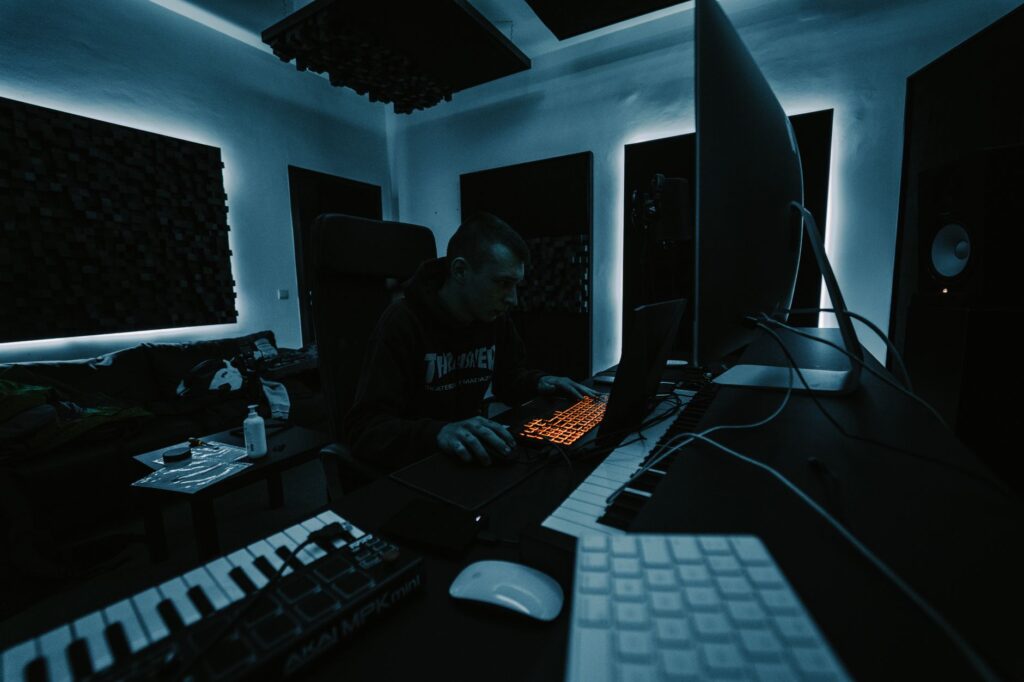
Firestone was born from a simple vocal sketch that almost never saw the light of day. Conrad Sewell had written the vocal melody and lyrics, capturing a delicate moment of sudden passion and fragile human alignment. When Kygo listened to the original idea, he heard something deeper than a standard pop ballad. He recognised an opportunity to build a new soundscape around it. He pitched down the tempo, introduced warm analog style synth plucks, and built a sanctuary of sound where every note could breathe.
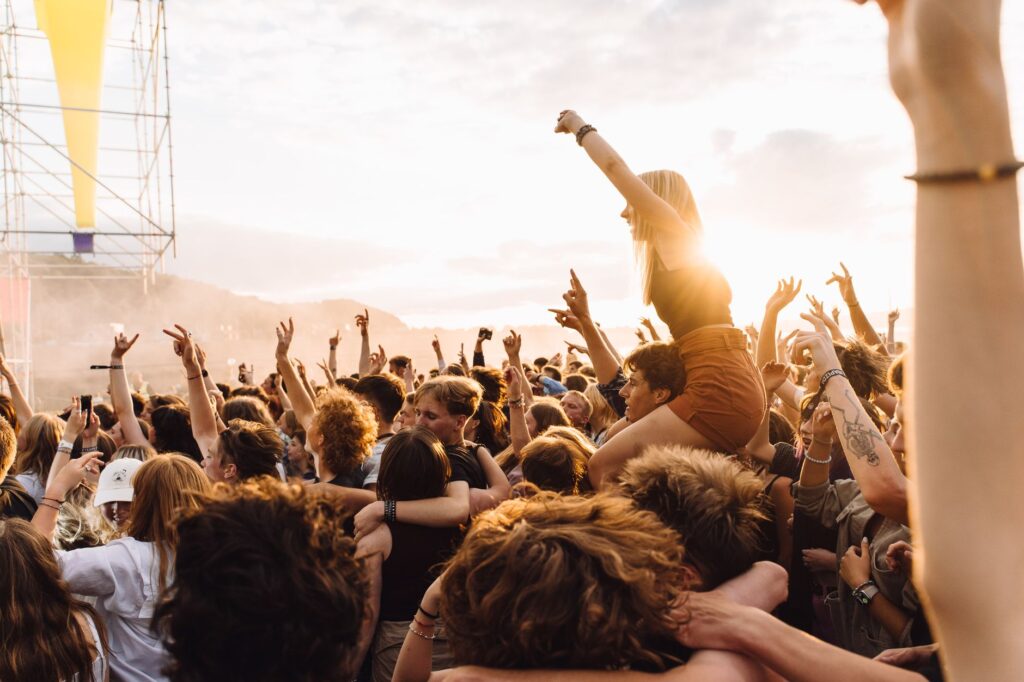
When Firestone officially landed in December 2014, it rushed directly to number one on the Norwegian Singles Chart and rapidly climbed international top ten lists across Europe, the Americas, and Asia. The song proved that people on dance floors were starving for emotional clarity. It was not about slamming your fists in the air; it was about closing your eyes and feeling an intense connection with thousands of strangers around you.
The drama and controversy behind the demo
The true story of any iconic anthem often carries hidden friction behind the scenes. In 2020, Dutch TV host and music producer Arjen Lubach published his autobiography Stoorzender, making a surprising revelation. Lubach claimed to be the original co-creator of an early demo of Firestone. According to his account, his friend and fellow musician Martijn Konijnenburg took the underlying composition and sold the song without giving credits or royalties. Konijnenburg subsequently denied these allegations, leaving a shadow of creative dispute behind one of the most serene songs in modern dance music history.
Regardless of the legal and creative debates surrounding its origins, the ultimate sonic execution by Kygo gave the track its immortal soul. The arrangement transformed a simple songwriting concept into a global movement. You can explore more deep dives into classic tracks in our Selection, where we honor the unfiltered stories behind the music.
Visualizing intimacy and global acoustic reverberation
The cultural footprint of Firestone expanded rapidly beyond festival mainstages into pop culture at large. The official music video was released on Kygo official Vevo channel on 9 March 2015. Directed to match the kinetic mystery of the lyricism, the video stars model Rachel Echelberger. It opens with a mysterious young woman bumping into a guy, pulling him close before vanishing through a series of magical doorways. He pursues her through shifting environments, from dense forests and crowded parties where Kygo is seen playing music, to dry riverbeds in Los Angeles and rooftop cityscapes.
By September 2026, the music video had accumulated over 1 billion views, proving the permanent staying power of its visual and auditory mythology. According to the official Firestone Wikipedia page, the song even caught the attention of folk pop artist Birdy, who performed a haunting cover of the song on BBC Radio 1 Live Lounge, stripping away the electronic production to reveal the pure songwriting underneath.
Why Firestone makes us cry and dance at the same time
Why does Firestone resonate so deeply across different cultures and generations? The secret lives in its emotional duality. The lyric line compares human connection to a spark hitting a firestone, an instant flash of light that illuminates the dark. It acknowledges that human intimacy is both beautiful and fleeting. When you hear the track in a crowded club or a festival meadow, you experience emotional urgency: a realization that this exact moment will never happen again.
Here are the key elements that allowed Firestone to redefine modern electronic music:
- Tempo deceleration: Slowing down the standard 128 BPM festival rhythm to a laid back, breathing space.
- Melodic warmth: Replacing harsh synth leads with organic, marimba-like plucks and smooth basslines.
- Vocal raw emotion: Placing Conrad Sewell vulnerable vocal performance at the exact center of the mix.
- Universal lyricism: Capturing the fragile spark of meeting someone who changes your inner world forever.
Firestone proved that warmth, vulnerability, and quiet human emotion could defeat the loudest drops on the mainstage.
In an era dominated by corporate algorithms and manufactured trends, Firestone reminds us of a crucial truth. True music is not engineered to fit a social media feed; it is an instinctual human reaction to loneliness and love. If you are creating music that comes straight from the heart, you can submit your music to our movement and share your message with the world.
Keep listening with your soul, not your screen. Music is an urgent emotional sanctuary, never an algorithm.