The night the digital diary bled into the dancefloor
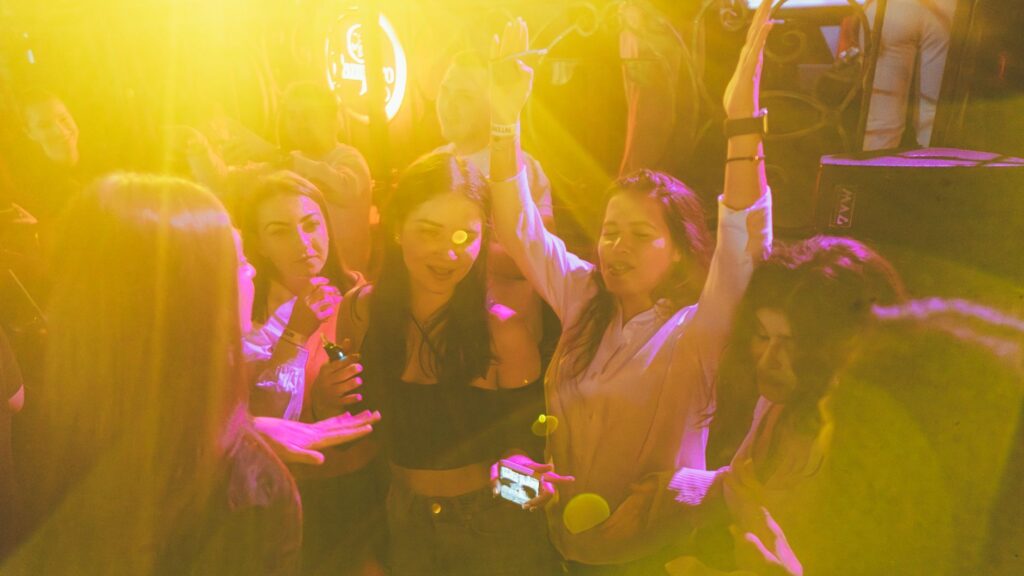
The air inside the room was thick, humid, and charged with electricity. Sweat dripped off low concrete ceilings as hundreds of bodies pressed tight against a simple table of decks. There were no flashing stadium lasers, no massive LED screens, and no security barrier separating the performer from the crowd. In July 2022, London hosted a set that would alter the trajectory of modern dance music. When Frederick John Philip Gibson, known worldwide as Fred again.., stepped up to perform his Boiler Room set, the global electronic scene was still recovering from years of isolation. The culture was thirsty for something real, tangible, and unpolished.
Before this moment, Gibson was already an extraordinarily successful studio wizard behind the scenes. He spent his early career co-writing and producing chart-topping anthems, contributing to roughly thirty percent of all UK number-one singles in 2019 and becoming the youngest artist to win Producer of the Year at the 2020 Brit Awards. He had worked alongside giants like Stormzy and Ed Sheeran, while absorbing guidance from legendary ambient pioneer Brian Eno after joining an a cappella group at Eno’s home as a teenager. Yet, his solo identity was built on something far more personal: the Actual Life project, a series of audio diaries constructed from voice memos, street conversations, and middle-of-the-night iPhone clips.
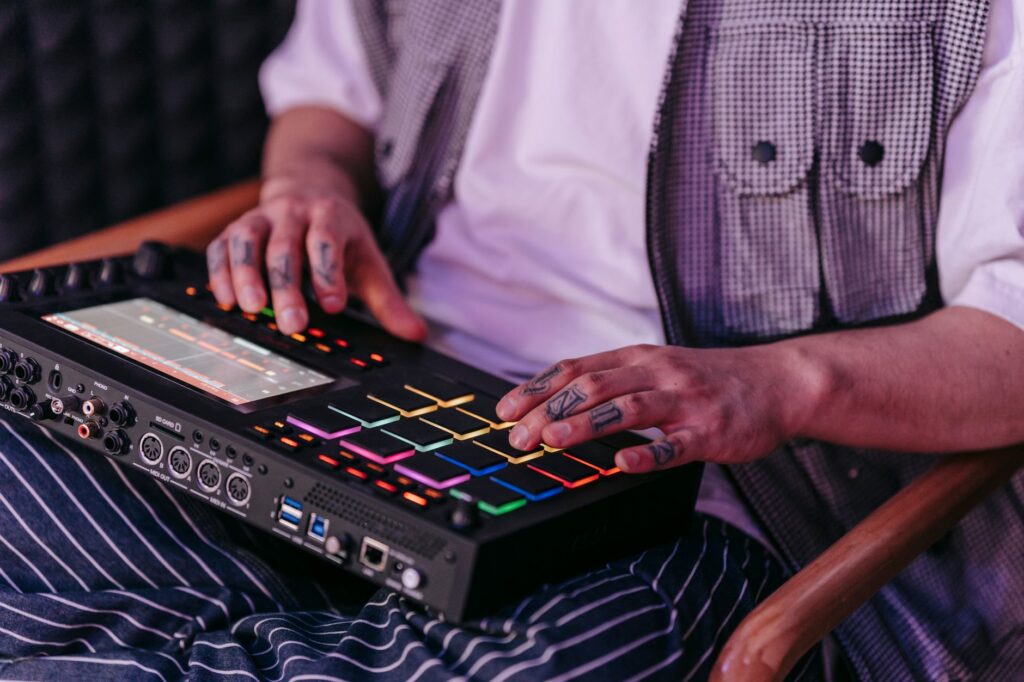
When he stood in front of that crowded London audience, he was not presenting a distant, idolized superstar persona. He was sharing his diary out loud. He played the buttons on his finger pads with aggressive, emotional precision. Every kick drum felt like a heartbeat; every vocal sample sounded like a long-lost friend calling from across town.
Beyond the velvet rope: a post-pandemic catharsis
Modern electronic music had spent over a decade drifting toward hyper-commercialized polish. Mainstages across the globe were dominated by pre-programmed fireworks, rigid sync buttons, and corporate branding. The human element was slowly being pushed into the background in favor of pristine algorithmic predictability. If you want to explore tracks that break away from corporate monotony, check out our Selection of raw electronic cuts.
The London broadcast shredded that blueprint completely. The set was glorious chaos. Fans leaned so close to the equipment that they were practically pressing the buttons themselves. At one infamous point in the night, an overly excited crowd member accidentally nudged the jog wheel on a deck, instantly cutting the audio mid-build. In a standard festival setup, that error would be a nightmare. In this room, Fred simply laughed, slapped the crowd member on the back, rewound the track, and brought the room into an even higher state of frenzy. It proved that electronic music does not need artificial perfection to hit with maximum force. It needs vulnerability.
The emotional gravity was unprecedented. Listeners were not just hearing club tracks: they were processing collective grief, joy, and relief. As detailed on his Wikipedia page, Gibson built his signature sound by turning authentic human moments into massive dance records. Tracks unspooled with a sense of urgency that mirrored the post-pandemic hunger for genuine physical contact.
When the algorithm accidentally served pure emotion
What happened next caught the music industry completely off guard. When the set was uploaded online, it did not merely perform well, it exploded across every social feed on earth. Clips of the performance flooded TikTok, Instagram, and YouTube. Yet, unlike manufactured viral marketing campaigns, this clip took off because it felt like an accidental leak of genuine human spirit.
We did not need another perfect mix: we needed to see someone feel every single beat as if their life depended on it.
The performance acted as a massive cultural shift for electronic dance music. It redefined how artists connect with their audience in the modern era. Here are the core pillars that made this moment a turning point for the movement:
- Human imperfection: Prioritizing raw energy and live performance risks over pristine studio playback.
- Emotional sampling: Utilizing intimate iPhone audio and vocal snippets to build deep narrative layers within tracks.
- Radical proximity: Dissolving the physical distance between the DJ and the dancefloor to rebuild community trust.
- Genre fluid energy: Blending UK garage, house, ambient textures, and pop sensibilities seamlessly.
The impact was instantaneous. Suddenly, producers across the globe stopped chasing clean synth presets and started hunting for authentic voice notes. The industry realized that listeners were tired of plastic anthems; they wanted tracks that sounded like real human memories.
The legacy of an accidental revolution
The aftermath of that single summer evening sent shockwaves through Gibson’s career and the broader scene. He went on to earn Mercury Prize nominations, claim Grammy Awards for his album Actual Life 3 and his explosive collaboration Rumble alongside Skrillex and Flowdan, and headline massive stages from Coachella to Madison Square Garden. He even released a collaborative ambient project titled Secret Life alongside his long-time mentor Brian Eno in 2023. If you are an artist crafting music with this level of honesty, you can submit your music directly to our movement.
Yet, despite the massive stadium shows that followed, the foundation of this modern phenomenon remains tethered to that sweat-drenched London night in 2022. It proved that when you strip away the corporate fluff, the mainstage barriers, and the algorithmic polish, dance music is still at its best when it brings us back to the human core.
Where were you when you first witnessed this set break the internet? Were you ready for the energy shift when the rest of the industry was still sleeping?