A sharp, repetitive kick drum clicks into the darkness. It is met strictly by a warm, atmospheric swell that sounds like a faint memory trying to push through a heavy fog. In 2008, two artists sitting on opposite ends of the electronic music spectrum came together to build something that defied the loud, aggressive trends of the era. On paper, Canadian producer Joel Zimmerman (Deadmau5) and American DJ Ryan Raddon (Kaskade) were polar opposites. One was a cynical, precise sound technician obsessed with technical perfection. The other was a hopeless romantic crafting deep, vocal-driven house centered on human warmth. When they locked themselves into a digital space alongside co-writer Finn Bjarnson and vocalist Haley Gibby, they did not just compose a hit single. They built a sanctuary for late-night isolation.
Released on 15 September 2008 as the fifth single from Deadmau5’s third studio album, Random Album Title, “I Remember” became an instant cultural anchor. It proved that progressive house did not need cheap tricks or violent beat drops to conquer a crowd. Instead, it relied on hypnotic patience and deep emotional vulnerability.
The collision of two contrasting sonic minds
To understand why this track continues to give millions of listeners chills, you have to look at the dynamic between its creators. In the late 2000s, dance floors were increasingly dominated by short attention spans and loud synth blasts. Deadmau5 was building an immaculate reputation for pristine, analog-style synth arrangement. His drums were crisp, his basslines were mathematical, and his production was sharp enough to slice through a crowded club. But technical precision alone can sometimes feel cold.
Enter Kaskade. Armed with an innate understanding of acoustic songwriting and emotional phrasing, Kaskade brought warmth to Zimmerman’s clinical soundscapes. Together with Finn Bjarnson, they drafted lyricism that did not demand your attention through bravado. Haley Gibby’s vocals hovered over the intricate percussion like a quiet confession shared under streetlights. Her voice carried a delicate weight, reflecting on intimacy that was fading away in real time.
The synergy was instantaneous. Before “I Remember” hit peak popularity, the duo had already proven their combined power with “Move for Me” in 2008. By the time “I Remember” peaked at number one on Billboard’s Hot Dance Airplay chart on 17 October 2009, it solidified their second consecutive reign at the top. The track gave listeners permission to process complex emotions right in the middle of a sweat-soaked room. If you want to dive deeper into tracks that shape dance music culture, explore our Selection for groundbreaking releases.
The anatomy of nostalgia: why we cry and jump together
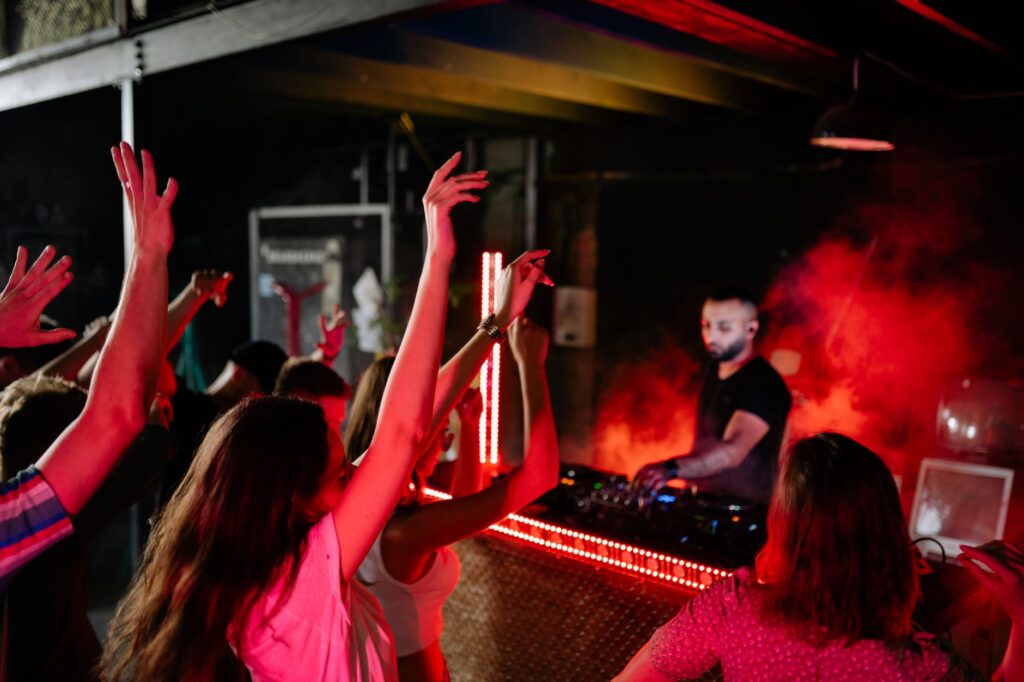
There is a specific reason why “I Remember” feels like a emotional gut punch every single time it plays. The track relies on a nine-minute arrangement that refuses to hurry. Deadmau5 crafts a rolling, continuous groove that feels endless. There are no sudden structural breaks or chaotic risers designed purely for cheap thrills. The beat simply continues, steady as a heartbeat, while the synth chords slowly evolve.
Electronic dance music at its highest form does not manipulate your brain with cheap drops: it holds a mirror up to your soul.
This endless loop mirrors the nature of human memory itself. When you reminisce about someone you lost or a time that will never return, your thoughts spin in continuous loops. The steady kick drum gives your body a rhythm to dance to, while Haley Gibby’s haunting vocals trigger an overwhelming sense of loss. You are jumping because the groove carries you forward. You are weeping because the chord progression reminds you that time moves in only one direction.
This dual identity made the record an enduring staple in global rave culture. On 17 May 2009, the track reached number 14 on the UK Singles Chart, staying in the top 40 for nine weeks and earning a Silver certification from the British Phonographic Industry for over 200,000 units sold. It became an essential anthem across London megaclubs during the summer of 2009, bridging the gap between underground clubbing and mainstream radio hitlists. For full contextual release details and chart history, you can read the Wikipedia entry for I Remember.
A video that nearly landed a film crew in jail
The visual representation of “I Remember” matched its gritty, counter-cultural identity. Filmed in Manchester, the music video was created as a ten-minute short film alongside an edited four-minute version. Produced by Anthony and Christopher Donnelly of the brand Gio-Goi alongside Mike Moran from Mojofuel, the film was directed by Colin O’Toole and cast by Graeme Brown. It featured British actor Stephen Graham, Warren Brown, Aston Kelly, Greg Costello, and Coronation Street actress Emma Edmondson.
The plot follows Stephen Graham’s character talking to two young men about life and authentic rave culture. The narrative shows them scouting an abandoned location for an illegal underground rave, culminating in a performance where Deadmau5 himself plays as the DJ. The video was so convincingly staged that local police mistook the scene for a genuine illegal gathering, leading to Stephen Graham almost being arrested on set. At the end of the narrative, Deadmau5 seamlessly transitions his classic track “Brazil (2nd edit)” into the audio stream as an outro, ending with a tantalizing “to be continued” title card.
Cultural impact, controversy, and immortality
The resonance of “I Remember” stretched far beyond traditional dance floors. The track was reworked by FreeStyleGames for inclusion in the 2010 video games GoldenEye 007 and DJ Hero 2. In 2011, it appeared in the film The Lincoln Lawyer, scoring a pivotal scene where Michael Peña’s character explains his version of events during a murder investigation. It even surfaced in television pop culture during season three of Gossip Girl, where Deadmau5 performed the track during a fashion show scene.
Years later, the track’s iconic chord progressions sparked an intense legal dispute in the hip-hop scene. Underground duo Suicideboys sampled large sections of “I Remember” for their viral track “Antarctica”. Deadmau5 publicly called out the duo on Twitter for using intellectual property without authorization, leading to the track being removed from platforms. The issue was eventually resolved, and “Antarctica” returned to Spotify and YouTube in late 2021 with proper publishing credits assigned to Deadmau5.
In 2022, Rolling Stone recognized the timeless quality of the record, ranking “I Remember” at number 149 on their list of the 200 Greatest Dance Songs of All Time. On YouTube alone, the original audio upload on Ultra Music has surpassed 84.2 million plays. Kaskade also immortalized his perspective on the track by releasing the Strobelite Edit on his album Strobelite Seduction.
Ultimately, “I Remember” stands as a monument to what happens when producers prioritize genuine emotion over algorithmic formulas. It remains an eternal reminder that true dance music is born from human connection, late-night vulnerability, and feelings that refuse to fade. If you are creating music that captures real human emotion, submit your music to Radical Sound Connection today.