On November 18, 2011, inside the damp humidity of the DC Armory in Washington, a young Swedish producer stood behind a wall of LED screens. Tim Bergling, known to the world as Avicii, premiered a rough, untitled instrumental track during the Super Glow event. It was aggressive, euphoric, and unpolished. At that moment, it carried the working title Nicktim, named after the two minds shaping it: Nick Rotteveel, known as Nicky Romero, and Tim himself. In its earliest form, the song even borrowed a rhythmic sample from Justice and their iconic track D.A.N.C.E., a detail later stripped away as the production evolved.
The arena reacted with the explosive euphoria that defined the golden era of progressive house. Yet underneath the synths lay the first draft of what would become one of the most poignant records in modern dance music history. What appeared to be a peak-time banger was actually an early footprint of exhaustion, pressure, and the human search for an escape route.
The glow at DC Armory and the birth of Nicktim
The collaboration between Avicii and Nicky Romero was not cooked up in a corporate board room. It was built between two young artists caught in the whirlwind of global mainstages. After tested iterations hit radio airwaves, the vocal version finally premiered a year later on November 4, 2012, through Avicii on his LE7ELS podcast, followed a week later on Nicky Romero’s Protocol Radio. When the mastered record was released digitally on December 26, 2012, in Sweden and the Netherlands, it arrived under the title I could be the one (Nicktim).
The record blew open global charts. It reached number three on the Swedish Singles Chart and, on February 17, 2013, debuted at number one on the UK Singles Chart. It held off massive club tunes of the moment, placing both producers at the top of the British charts for the very first time. You can view the full release archive on the Wikipedia history page for exact chart performance details.
A vocal record built across silent distances
The heart of the record rests on a vocal performance that feels intimate yet distant. Swedish singer and songwriter Noonie Bao provided the emotional core of the track alongside co-writers Linus Wiklund, Måns Wredenberg, and manager Arash Pournouri. Yet, the physical reality of modern electronic music creation was far removed from romantic notions of late-night studio session magic.
In 2017, Noonie Bao revealed to Spotify a surprising detail about the project. Despite co-writing and singing on this global hit, as well as contributing to his 2013 album True, she had never actually met Avicii in person until years after the track topped international charts. Digital files travelled through late-night email exchanges while the artists toured different hemispheres. The distance between the creators matched the isolation embedded deep within the lyrics.
The double life of a mainstage monster
Why does this record hit so hard every single time the drop lands? Because it operates on a profound emotional duality. The track combines Balearic progressive house energy with sharp, chart-focused synth breakdowns, creating a push and pull between corporate polish and rave catharsis.
Consider what was happening behind the scenes during this period:
- Relentless touring schedules: Hundreds of shows a year left little room for rest or personal reflection.
- The weight of expectations: Following massive crossover records demanded continuous mainstage hits.
- The digital disconnect: Music crafted across laptop screens while isolation grew in hotel rooms across the world.
The chorus asks a simple, piercing question: “I could be the one to set you free.” It is not merely a love song addressed to a partner. It sounds like a whisper to oneself, a plea to break out of a mechanical life before the machine consumes everything.
The music video that mirrored a quiet breakdown
The visual companion to the song made this subtext completely explicit. Directed by Peter Huang, the music video won first prize for non-European music video at the Young Director Award 2013 in Cannes. It starred actor Inessa Frantowski as an office worker suffocated by corporate routine, grey cubicles, and morning alarms.
Her breakdown leads into a vibrant daydream on a tropical beach where her only rule on a hand-written to-do list is to not give a fuck. She smashes sandcastles, dances freely, eats without restraint, and reclaims her bodily autonomy. But the tragedy of the narrative hits when she wakes up right back in her grey reality, forced to confront a world that demands total compliance. The absurd comedy masks a serious commentary on mental exhaustion, echoing the very burnout that Tim Bergling was fighting under the relentless lights of international stardom.
Why we cry while jumping to the drop
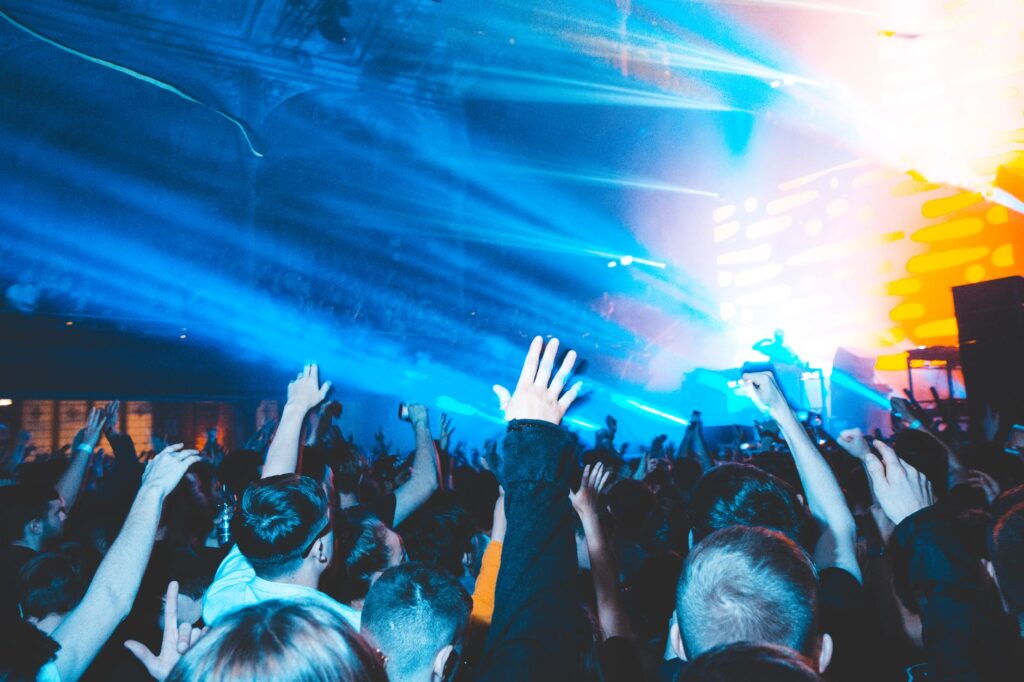
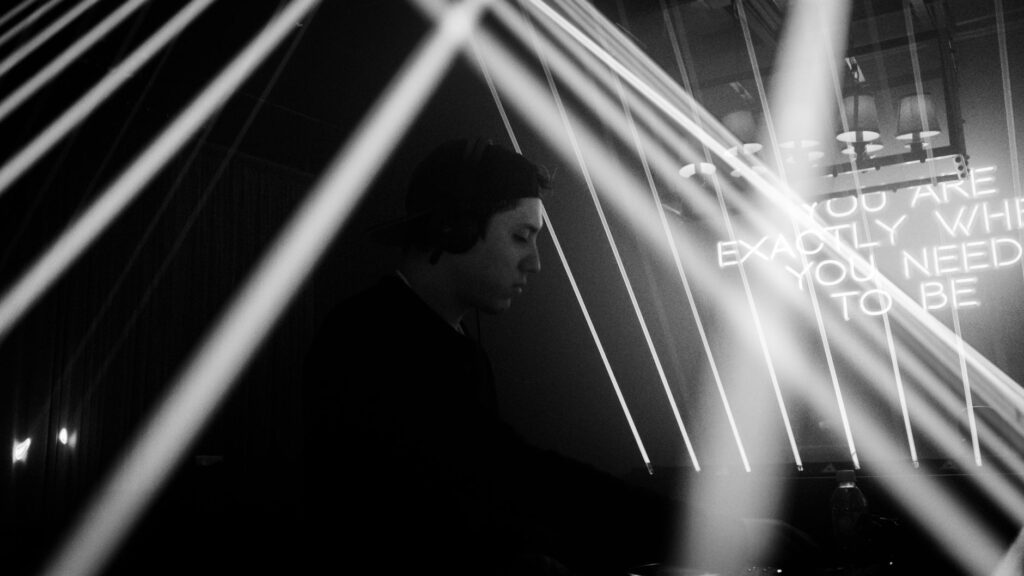
Great electronic dance music is never just rhythmic sound designed for passive listening. It is an emotional sanctuary. When tens of thousands of people leap together in a festival crowd during the drop of this track, they are not just celebrating power and sound. They are releasing their own weekly fatigue, their own anxieties, and their own quiet desires for escape.
The drop is not an escape from reality: it is the exact moment where we reclaim our right to feel alive.
This is why the record remains timeless. It converts internal suffering into public celebration. At Radical Sound Connection, we believe that sound is emotional urgency, not an algorithmic formula calculated for quick plays. Explore our curated selection of stories that reveal the soul behind the noise, or submit your music if your tracks carry true human depth.
Stop scrolling past the noise. Listen to the heart hidden inside the synth, because real electronic music is built to set you free.