The Balearic island of Ibiza is standing at a critical cultural crossroads. Local authorities are seriously debating a complete freeze on new nightclub licenses as part of the proposed Tourism Areas Intervention Plan, known locally as PIAT. This is not an aggressive shutdown of existing institutions, but a structural brake on future commercial expansion. For decades, the island has been treated as an infinite resource for corporate nightlife developers. This policy could finally draw a line in the sand, forcing the global music community to confront the consequences of unchecked growth.
The death of expansion: what is the PIAT?
The proposed Tourism Areas Intervention Plan (PIAT) represents a long-term regulatory strategy designed to manage Ibiza’s carrying capacity. Under this framework, local government officials aim to halt the unchecked growth of entertainment venues. The goal is simple: preserve the island’s environmental resources and strained infrastructure. By preventing the construction of new mega-clubs, the administration hopes to curb the hyper-tourism that threatens to swallow the local community whole.
For the global electronic music scene, this policy is a massive wake-up call. It forces us to ask whether the relentless pursuit of scale has finally broken the very culture that made Ibiza legendary. We have watched the island evolve from a sanctuary of free-spirited hippies and Balearic beat pioneers into a hyper-monetized theme park. The corporate takeover of nightlife has commodified the dance floor, replacing artistic risk with predictable, algorithmic curation. If you want to see what authentic, risk-taking curation looks like today, check out our Selection of the rawest underground movements.
Breaking the corporate loop
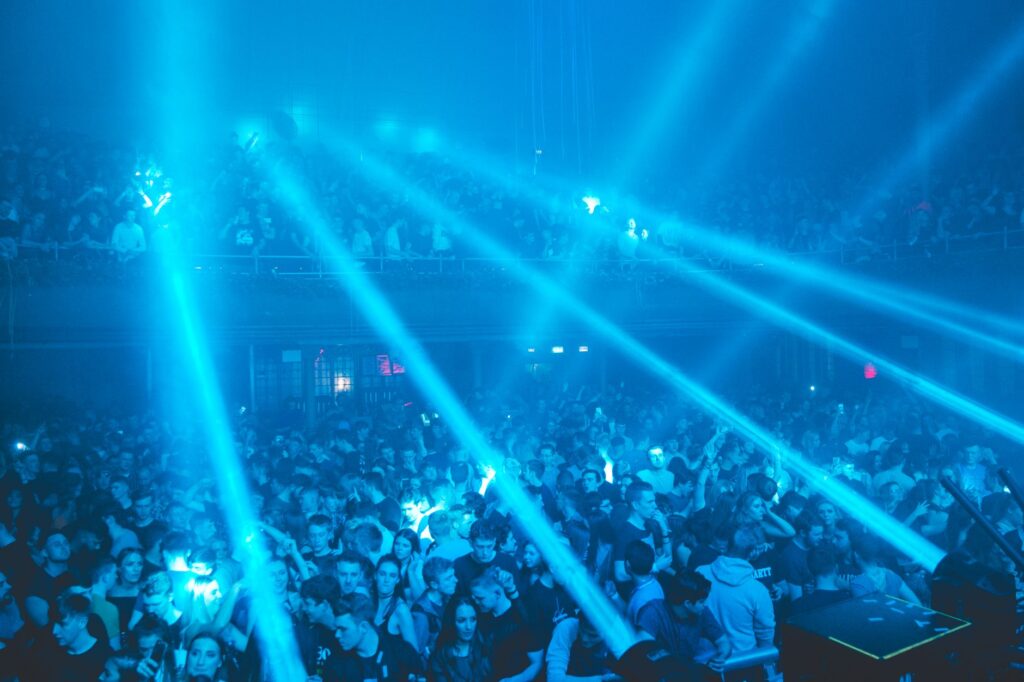
Modern Ibiza has become synonymous with sterile luxury. The dominant sound of the main stages is no longer about sonic exploration or emotional release; it has been reduced to generic tech-house loops designed to keep VIP bottle service flowing. The current model prioritizes high-spending tourists over passionate music lovers who live for the culture. This regulatory freeze might be the exact shock therapy the island needs to break this cycle of creative bankruptcy.
When you cannot build bigger, you are forced to build better. A freeze on new licenses means that developers cannot simply throw money at new mega-venues to drown out the competition. Instead, the focus must shift to the quality of existing spaces. It forces promoters to think about who they are booking and why. Limiting physical growth can catalyze cultural rebirth by forcing the industry to focus on substance over scale.
The island has traded its countercultural soul for sterile VIP tables and algorithmic tech-house loops.
Instead of catering to the lowest common denominator, venues will have to curate nights that actually mean something to the dancers. The era of the endless, generic build-up and drop must end. We need to return to the deep, atmospheric, and industrial techno landscapes that demand active listening rather than passive consumption. The corporate monopoly on the island’s nightlife has homogenized the soundscape, but a freeze on expansion could create the friction necessary for a new underground movement to ignite.
What this means for the underground community
While some industry insiders view the PIAT proposal as a threat to economic growth, the underground community should view it as an opportunity. Limitation has always been the greatest catalyst for artistic revolution. When the mainstream avenues are locked down, the subculture finds a way to breathe. We have seen this dynamic play out in cities like Berlin, where strict zoning laws and spatial preservation have protected legendary spaces like Tresor and Berghain from gentrification.
If new mega-clubs are banned, the focus will inevitably shift toward smaller, grassroots initiatives. The future of Ibiza’s musical legacy does not lie in the hands of international hospitality conglomerates; it belongs to the local DJs, independent promoters, and passionate ravers who understand the island’s true heritage. The true spirit of dance music thrives in the shadows of restriction, not under the bright lights of corporate sponsorship.
Here is what this regulatory shift could actually achieve for the global scene:
- A resurgence of intimate venues where connection takes precedence over scale.
- A reduction in algorithmic programming, forcing clubs to book selectors who take genuine sonic risks.
- A revitalized local ecosystem that prioritizes Balearic residents over seasonal tourists.
- The preservation of natural spaces, protecting the island from further ecological degradation.
A blueprint for global electronic music hubs
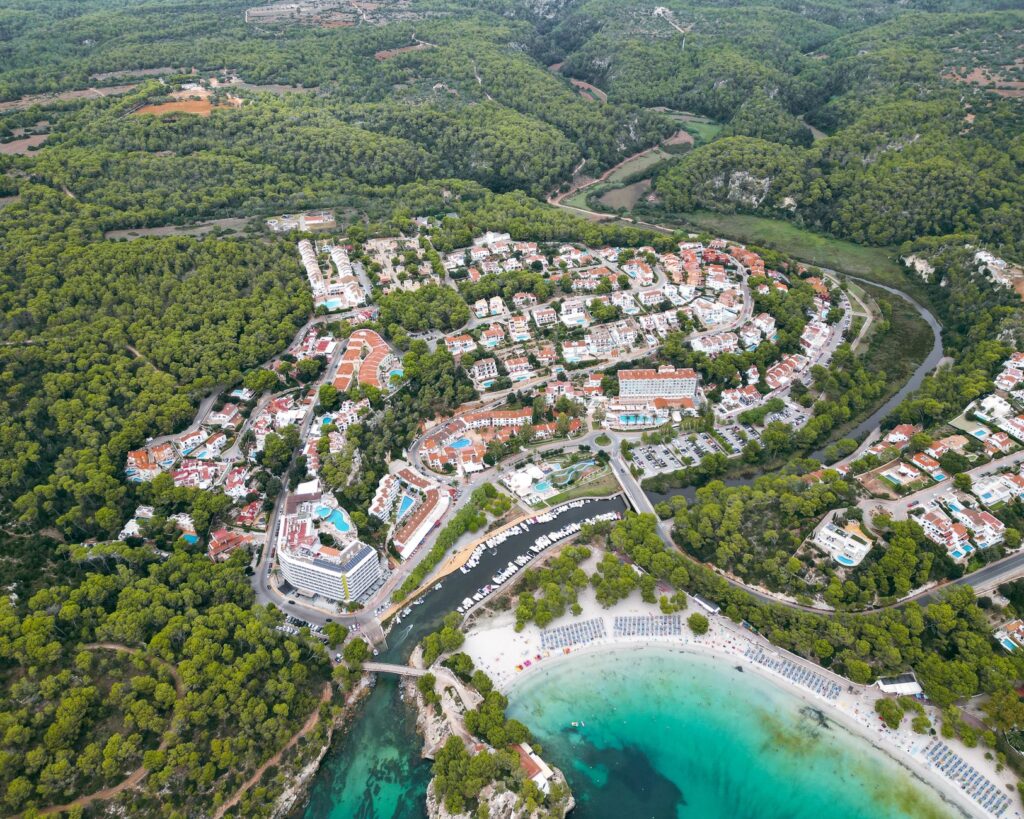
The challenges facing Ibiza are not unique. From London to Miami, nightlife is being squeezed by real estate speculation and corporate consolidation. The island of Ibiza has always served as a mirror for the global dance music industry. If the local government, led by the Consell de Eivissa, successfully implements the PIAT freeze, it could provide a vital blueprint for other cultural capitals struggling to protect their creative spaces from corporate greed.
We do not need more VIP lounges, and we certainly do not need more generic tech-house loops. We need spaces that celebrate the raw, visceral, and emotional power of electronic music. We must reject the metric-driven hype that has reduced our culture to a series of social media assets. The dance floor is a sacred space for collective transcendence, not a content generator for corporate brands.
If you are a producer creating uncompromising, emotional music that defies the sterile standards of the commercial club scene, we want to hear your voice. We invite you to submit your music to our movement and join us in reclaiming the dance floor from the algorithms.