Smoke hangs heavy in a silent Berlin studio at 4am. The floorboards echo with the soft hum of analog gear warming up in the shadows. Outside, the night bus rattles across cold wet pavement, carrying weary ravers home from club basements. Inside, two brothers are sitting in the half light, working on a vocal line that feels more like a confession than a club record. Paul Kalkbrenner adjusts the synthesizer loop, listening to the quiet space between the notes. Fritz Kalkbrenner steps up to the microphone, singing words that sound like a secret whispered at dawn. They are not chasing a festival banger. They are trying to capture the fragile feeling of surviving the night in a city that never stops testing your resolve.
That quiet moment in the studio laid the foundation for one of the most enduring records in modern electronic music. Released as part of a movie project that captured the dark underbelly of club culture, the song transformed local late night melancholy into a global hymn of emotional freedom. It did not rely on explosive mainstage drops or calculated marketing stunts. Instead, it relied on pure human feeling. It proved that when you build a song on genuine human honesty, listeners will carry it with them for decades.
The cinema, the brothers, and the birth of Berlin calling
The story of this iconic record is tied directly to cinematic narrative and brotherhood. The track was originally produced as the central title song for the German feature film Berlin Calling, written and directed by filmmaker Hannes Stöhr. The movie told a raw, uncensored story of an electronic music producer navigating creative madness, addiction, and spiritual exhaustion inside the Berlin club scene. Paul Kalkbrenner did not just compose the soundtrack: he starred in the film itself, portraying the troubled protagonist whose life blurred the thin line between artistic brilliance and total self destruction.
To give the movie its emotional core, Paul brought in his brother Fritz Kalkbrenner. Together, they forged a sonic connection that only siblings could build. Paul crafted a delicate, hypnotic beat anchored by a minimalist guitar motif, while Fritz delivered warm, gravelly vocals filled with longing. The soundtrack album for Berlin Calling arrived in October 2008, bringing the song into the world. By February 2009, the track was officially released as a standalone single, setting off an incredible chain reaction across the European music landscape.
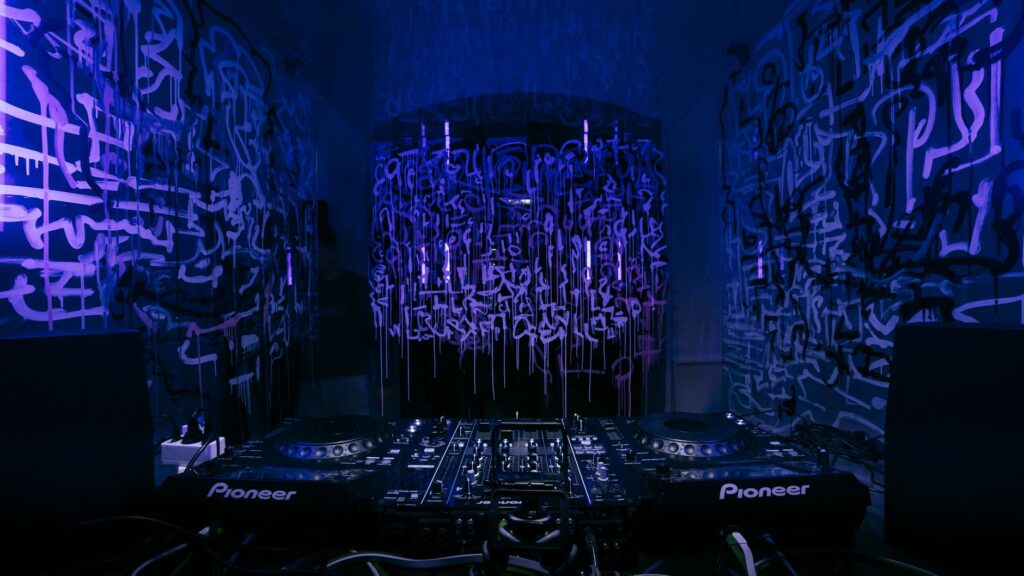
129 weeks of history on the German charts
What happened next shattered expectations for what an underground electronic record could achieve. The song began climbing radio playlists and club charts across Europe, earning a platinum certification from the Federation of the Italian Music Industry and reaching number two on the Belgian Ultratop 50 chart. Yet, its most incredible achievement unfolded in its home country. The track spent an astonishing 129 weeks inside the German singles charts. It became the longest running chart song of domestic origin in German history, a record it still holds today. In the history of the German charts, only the holiday classic “Last Christmas” by Wham! from the United Kingdom managed a longer run at 140 weeks.
The cultural footprint of the track continued to grow across different mediums and generations. Years after its original release, directors and sound designers continued to use its evocative atmosphere to score key cinematic moments, including a notable house party scene in the television series The Lazarus Project (season 1, episode 2). You can read more about the discography and official release history on Wikipedia.
The extraordinary staying power of the track can be measured through these key milestones:
- Spent 129 consecutive and non consecutive weeks in the German singles charts, setting a national record for domestic music.
- Achieved official platinum status certified by the Federation of the Italian Music Industry.
- Reached the number two spot on the Belgian Ultratop 50 charts.
- Originated as the title anthem for Hannes Stöhr’s film Berlin Calling before turning into a global single.
Why sky and sand makes us cry and jump at the same time
Why does this particular record move millions of people across different cultures and continents? The secret lies in its rare emotional duality. Most club tracks force a single mood on the listener: absolute euphoria or deep darkness. This record refuses that artificial division. It operates in the bittersweet space in between, capturing both the grief of what you have lost and the joy of still being alive to feel it. The driving bassline commands your feet to move, while the soaring melody and fragile vocal lyric insist that you feel every drop of emotion.
True anthems are not calculated in corporate boardrooms: they are dragged from the depths of late night isolation and shared sibling blood.
When you hear those opening notes on a massive sound system at sunrise, something sacred happens in the crowd. The collective guards come down. Strangers look at each other with tears in their eyes while dancing with absolute abandoned intensity. It reminds us why we fell in love with electronic music in the first place. We did not come to the dancefloor to evaluate algorithms or consume pre packaged entertainment. We came to escape our individual isolation and build something beautiful together, even if it only lasts until the morning sun comes up.
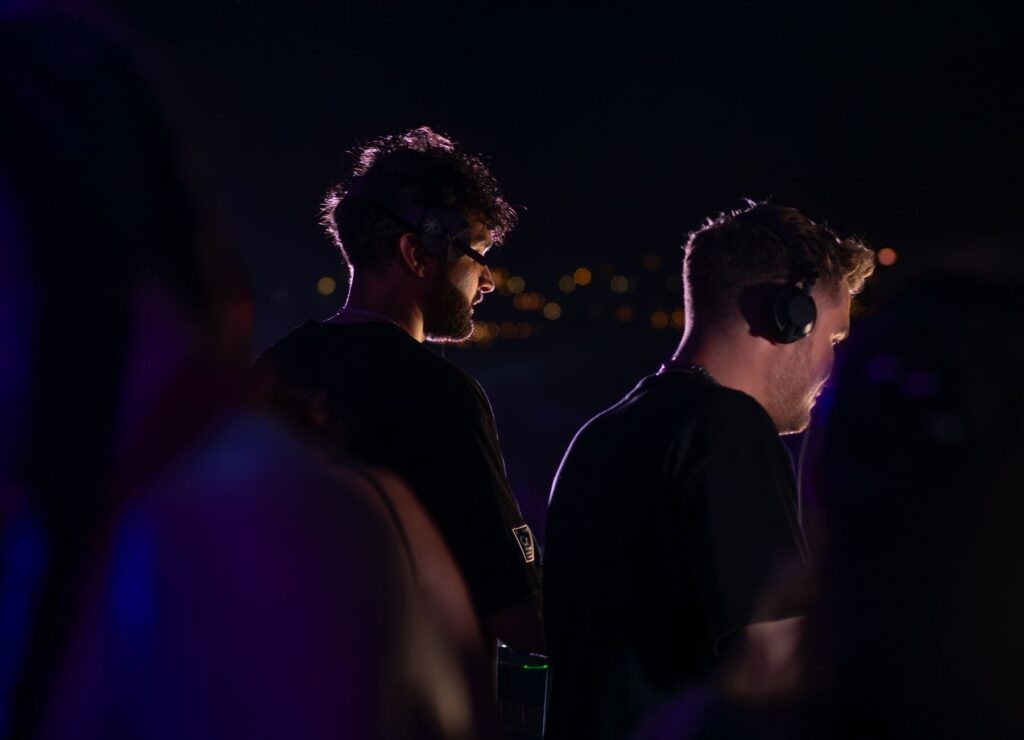
Music is emotional urgency, not an algorithm
In an era dominated by short attention spans and music engineered purely to trigger social media trends, this record stands as a defiant monument to patience and truth. It took time to build, time to spread, and years to earn its place in history. It proves that authentic stories created from genuine human pain and brotherly love will always outlast artificial hype. Check out our Selection for more deep dives into timeless dance music, or if you are producing music that comes from the soul, you can submit your music directly to our collective.
Never let a machine tell you what a song should feel like. Keep searching for the sounds that speak to your spirit, honor the artists who pour their lives into the craft, and remember that real music is born from human hearts, not code.