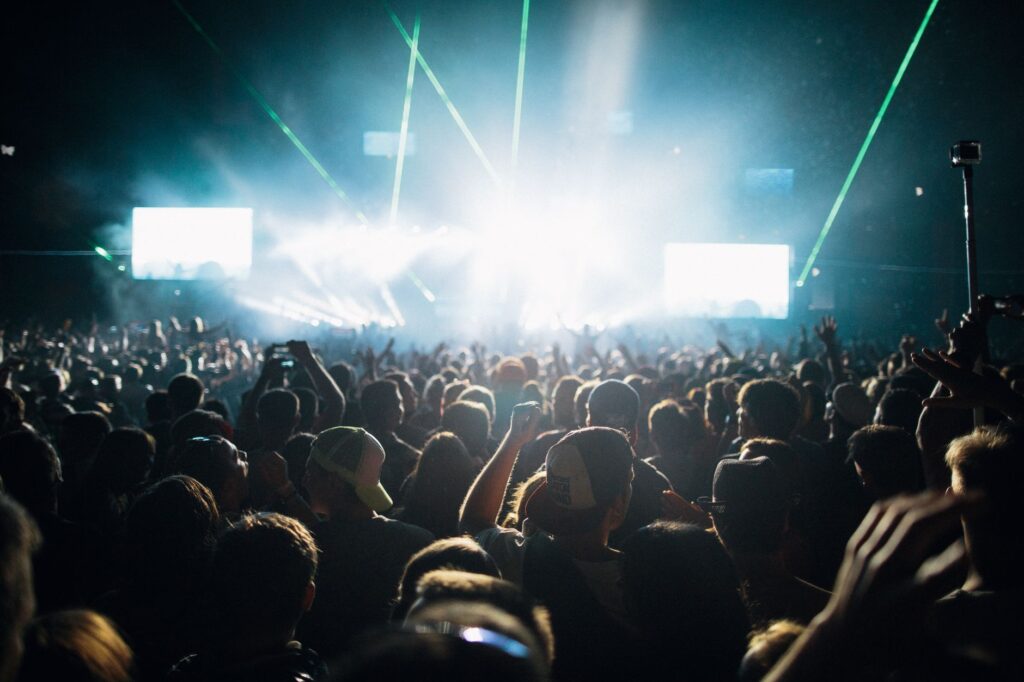
The tension in Bayfront Park was thick enough to choke on. For five years, electronic music had been wandering through an identity crisis. The golden era of mainstage melodies had fragmented into algorithmic throwaways and quick viral hits. But on March 25, 2018, as the sun dipped behind the Miami skyline at the 20th anniversary of Ultra Music Festival, 50,000 people stood packed shoulder to shoulder. Nobody knew for sure what was coming. Rumors had burned through forums for months, but in an era of fake news and broken promises, seeing was the only way to believe.
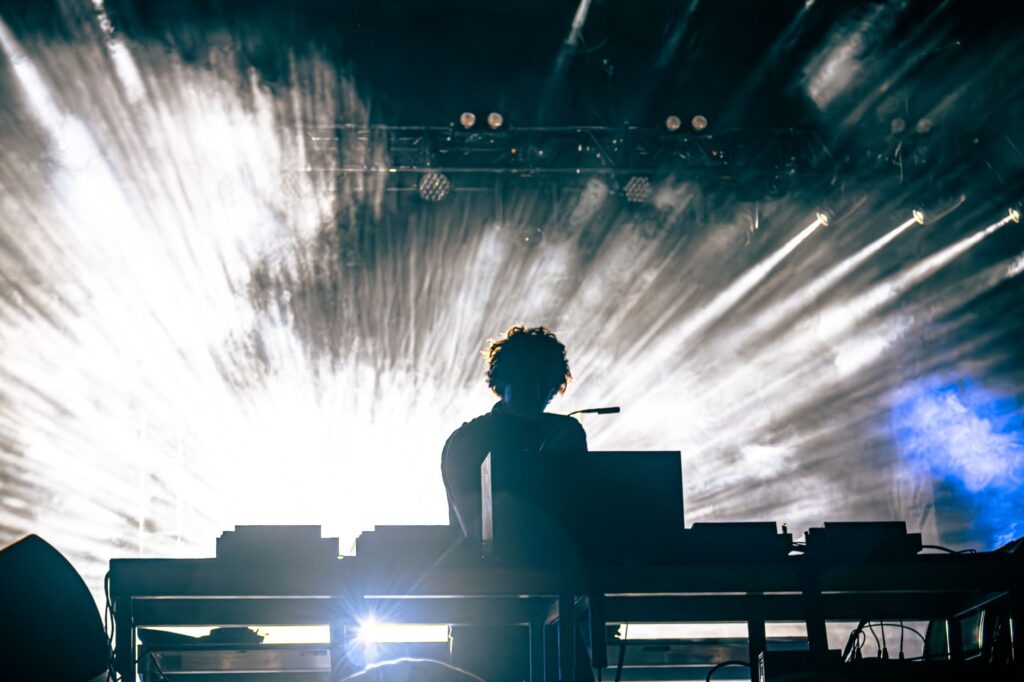
Then the lights died completely. The hum of the crowd turned into a collective roar. As the majestic intro echoes drifted over the water, three elevated stands rose from the darkness. Three distinct silhouettes cut through the fog. Axwell, Steve Angello, and Sebastian Ingrosso were standing on the same stage again. Where were you when those first thunderous synth stabs echoed across the bay? Were you watching a grainy livestream in a bedroom across the ocean, or were you standing in that humid air, crying alongside total strangers?
Five years of exile and the hunger for real emotion
To understand why those sixty minutes changed everything, you have to rewind to March 24, 2013. On that night, Swedish House Mafia played what was billed as their final show together on the very same stage. They had set the tone for the entire EDM boom of the early 2010s, standardizing a euphoric, sweeping progressive house sound that brought underground dance music straight into stadiums. Tracks like “One (Your Name)” and “Miami 2 Ibiza” turned three Stockholm producers into global icons, peaking on charts worldwide and anchoring their platinum album Until Now.
When they walked away at the height of their power, a void opened up. Steve Angello poured his energy into raw solo projects, while Axwell and Ingrosso formed their high-energy duo. Yet, no matter how massive their individual festival sets were, the scene missed the collective heartbeat. Mainstage dance music was losing its soul to predictable formulas. We did not just miss the supergroup; we missed the feeling of unfiltered emotional unity that their music guaranteed.
The industry thought the progressive house era was dead, buried beneath changing tastes and corporate streaming metrics. But the fans knew better. They held onto the recordings, waiting for the spark that would ignite the scene once more. You can read more about their historic journey on Wikipedia.
Three silhouettes against the dusk
When the trio dropped into their opening track at Ultra 2018, it was not just a nostalgia victory lap. It was a declaration of war against cynicism. The stage design was stripped back: no flashy cartoon visuals, no theatrical gimmicks, just pure white light, heavy smoke, and monolithic sound. They played with a ferocious, dark elegance that reminded every producer in attendance what grand-scale house music was supposed to feel like.
They bridged their historic classics like “Miami 2 Ibiza” and “One” with re-imagined reworks and unreleased ID heat. The crowd did not just dance; they experienced a communal release. Every drop felt earned. Every vocal singalong reached up to the stars.
The reunion was not a victory lap for three DJs: it was a resurrection for an entire generation that refused to surrender its passion.
In that hour, the three Swedes healed a wound that had stayed open for half a decade. They proved that true chemical reaction between artists cannot be replicated or faked by market research. Check out our Selection to explore other tracks that altered the course of dance culture forever.
Why progressive house needed its icons back
What changed after that night in Miami? Everything. The reunion did not just make headlines; it fundamentally shifted the trajectory of modern electronic music. It proved that live dance music still needed epic, mythic narratives. It gave permission to a new wave of producers to embrace wide, soaring melodies and dynamic arrangements again without fear of being labeled outdated.
Following that fateful night, the trio solidified their legacy, eventually crafting their debut studio album Paradise Again in 2022, topping charts across the globe and co-headlining Coachella with The Weeknd. But all of that future momentum was born in that single, explosive hour in Miami.
Here is what the Ultra 2018 reunion permanently established for our subculture:
- Emotions over algorithms: It restored faith that raw human connection on the dancefloor beats curated playlists every single time.
- The power of patience: Five years of silence built an unprecedented emotional pressure cooker that made the return unforgettable.
- Architects of the mainstage: It reminded the world that progressive house was not a passing trend, but a timeless pillar of dance culture.
- Unity above ego: Three distinct creative minds proved that their combined energy was far greater than the sum of its parts.
Were you ready when the industry was not?
The industry treated progressive house like a chapter that had ended. The suit-and-tie executives had moved on to the next trend, declaring the golden age finished. But when those three silhouettes stood high above Miami, the crowd proved them wrong in seconds. The culture never left; it was simply waiting for its leaders to return.
Now we ask you: where were you when that drop hit? Did you feel the ground shake, or did you catch the fire through a screen thousands of miles away? Share your story with us and submit your music if your tracks carry that same unyielding, passionate heartbeat.