It is 4am in a south London garden. Inside a wooden shed, the air is thick with sweat, cheap coffee, and the constant hum of analog gear. Sister Bliss is awake. She is always awake. The cycle is brutal: work in the studio by day, spin records in dark, sweat-soaked clubs by night. She describes the feeling as permanent jetlag, a relentless suspension between reality and exhaustion. In this cramped, makeshift space, she is trying to capture the sound of her own restless mind. This is not a story about a polished, corporate studio with million-dollar mixing boards. This is about survival. This is the story of how Faithless created Insomnia, a track that would go on to define the collective consciousness of a generation that refused to sleep.
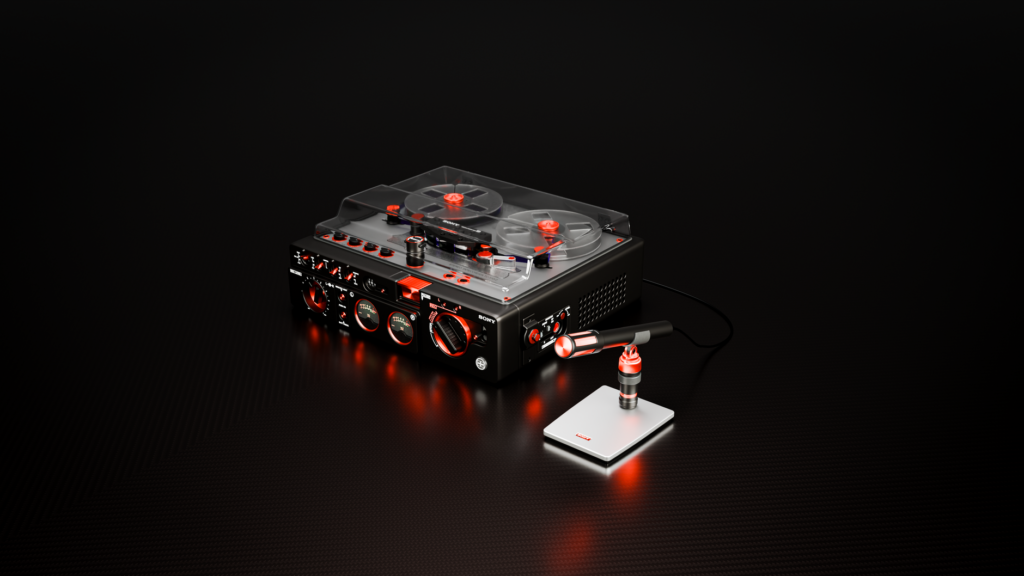
The garden shed where time stood still
The year is 1995. The British rave scene is at a boiling point, caught between the euphoria of the dancefloor and the cold reality of the morning after. Inside that south London garden shed, which served as the recording studio for bandmate Rollo Armstrong, the atmosphere was far from glamorous. Sister Bliss was battling a profound, bone-deep exhaustion. It was this very struggle that birthed the title of the track. Unable to sleep, she channeled her permanent jetlag into the keys, searching for a sound that could mirror the frantic, beautiful chaos of the nightlife. You can read about the official timeline on the official history of Insomnia, but the emotional truth of that shed is something no chart data can fully capture.
Rollo Armstrong took that title, Insomnia, and handed it to Maxi Jazz. What happened next was a lightning strike of creative urgency. Maxi did not spend weeks overthinking the concept. He did not consult a focus group or analyze streaming algorithms. Instead, he took the title and spent exactly twenty minutes writing the lyrics. The next evening, he walked into the studio and laid down the vocal track in just twenty-five minutes. It was a raw, unfiltered transmission of human experience.
A dental abscess, a candle, and twenty minutes of genius
To understand why Insomnia resonates so deeply, you have to understand the physical reality of its creation. Maxi Jazz was not actually a chronic insomniac. But when he wrote those words, he was locked in a private war with a brutal, excruciating dental abscess. The pain was relentless, clawing at his skull and keeping him awake for days. He was also living on the edge of destitution. The lines in the song about making your way to the refrigerator only to find one dry potato inside, with no bread or jam, were not metaphorical. They were his actual life.
Even the lighting in his room was a struggle. Maxi lived in a home with a prepayment electricity meter. When the credit ran out, the light above his head went out with a sudden, metallic bang. He was forced to pick up his pen and write the lyrics in total darkness, illuminated only by a flickering candle. This was the environment that birthed lines like “I toss and I turn without cease, like a curse”. It was a portrait of a man on the edge, translating physical agony into a universal anthem.
There was also the pressure of the mainstream. The original opening line of the song was “I only smoke weed when I need to”. However, due to pressure from MTV, Maxi Jazz changed the line to “Deep in the bosom of the gentle night” to ensure the music video, directed by Lindy Heymann, could get airplay. It was a compromise, but it only added to the poetic, almost religious quality of the vocal. The album version, which runs for nearly nine minutes, preserves the raw, explicit spirit of the original recording, complete with the haunting bells at the start, sampled from a BBC Sound Archive disc.

The architecture of tension and the Underworld effect
Musically, Insomnia is a masterclass in tension. Sister Bliss did not want to write a standard, formulaic club track. She wanted something that felt organic and dangerous. She started with a reggae-inflected bassline, heavily influenced by the sound of Lionrock. But the true genius of the track lies in its iconic, restless keyboard riff.
Rollo Armstrong had asked Sister Bliss to “do big strings”. She borrowed the idea of shifting from a major chord to a minor chord from Donna Summer’s legendary track I Feel Love, creating an immediate sense of emotional instability. But instead of placing this massive, explosive riff at the beginning of the song, they made a radical decision. They placed it at the very end.
This structural choice was inspired by Underworld’s method of building tension: just waiting, waiting, waiting, and then, bang! By withholding the payoff, Faithless forced the listener to endure the same agonizing wait that an insomniac experiences in the dead of night. It was a brilliant translation of psychological torment into musical structure. It is a formula we celebrate deeply in our Selection of tracks that refuse to play by the rules of modern radio.
Why we still dance in the dark
When Insomnia was first released in 1995, it reached number twenty-seven on the UK Singles Chart, though it topped the UK Dance Chart. But the track was too powerful to be contained by a single release cycle. In October 1996, it was re-released, achieving a new peak of number three in the United Kingdom and topping the charts of Finland, Norway, and Switzerland, as well as the American and Canadian dance charts. It became the centerpiece of their 1996 debut album, Reverence.
In 2013, Mixmag readers voted it the fifth greatest dance record of all time. By 2023, the British Phonographic Industry certified it triple platinum. But these statistics are just numbers. The true legacy of Insomnia lives in the sweat-soaked clubs and the muddy festival fields where it is still played today. Maxi Jazz once noted how the song struck a profound chord with club culture:
“Suddenly the song was being played to crowds who had arguably taken fifty pounds worth of high-powered drugs and weren’t thinking of getting much sleep for days… If I had a pound for every time someone’s come up going, ‘I can’t get no sleep’, I’d be living on the space station.”
The song became a mirror for a generation of dispossessed clubbers. It captured the duality of the rave experience: the ecstatic highs of the dancefloor and the cold, isolated comedown of the early morning. It is a song that makes people cry and jump at the exact same time because it refuses to lie to them.
Here are the elements that make the studio version of Insomnia an absolute masterpiece:
- The haunting opening bells sampled from a BBC Sound Archive disc, setting a gothic, midnight tone.
- The Moody Mix elements, which feature a brilliant sample from Biosphere’s 1994 track Novelty Waves.
- The raw, explicit lyrics of the full nine-minute album version that MTV tried to sanitize.
- The legendary major-to-minor keyboard pluck that remains one of the most recognizable riffs in electronic music history.
In an era where music is treated as background noise for an algorithm, Insomnia stands as a monument to emotional urgency. It was not built in a boardroom. It was built in a garden shed by human beings who were tired, in pain, and desperate to connect. If you are an artist fighting to keep that raw spirit alive, we invite you to submit your music to our collective. Never let the machines tell you how to feel.