The hospital room is quiet, cold, and entirely void of laser lights. There are no stadium crowds singing along. There are no fireworks lighting up the night sky. In 2012, singer Trevor Guthrie received news that would fracture his world: his best friend was diagnosed with terminal brain cancer. Sitting down with an acoustic guitar, Guthrie did not try to write a global festival smash. He was simply trying to survive the quiet panic of impending loss. He poured his helplessness into a melody, searching for words to describe the unbearable weight of watching someone you love fade away.
He sang about standing on the edge of a cliff, looking down into the dark, reaching out for a hand that was slipping away. It was a raw, naked cry of despair. But when that vocal demo traveled across the ocean to the Netherlands and landed on the desk of Dutch DJ and producer Armin van Buuren, something extraordinary happened. Armin did not strip the sadness away to make a mindless club banger. Instead, he recognized the rare, sacred electricity of genuine grief, and he built a sanctuary of sound around it.
The human heartbreak behind the electronic anthem
Electronic dance music is often criticized by outsiders as synthetic, repetitive, or cold. They hear synthesized plucks and assume there is no heartbeat behind them. But This Is What It Feels Like proves the exact opposite. Before it became a weapon for mainstage euphoria, the song was a quiet eulogy for a life cut short. It was an honest reaction to terminal diagnosis, a desperate attempt to capture love before mortality erased it.
When Armin listened to Trevor Guthrie’s original guitar demo, he heard a profound story that needed to be shared with millions. As an artist who built his career around emotional trance structures through his extensive discography and radio shows, Armin knew that dance music functions best when it serves as a vessel for complex human emotions. He took Guthrie’s fragile acoustic recording and layered it over driving percussion, soaring chords, and an explosive progressive drop.
The contrast was breathtaking. The verses remained quiet, introspective, and haunting. The chorus demanded immediate vocal release. The drop felt like throwing your hands into the air at the absolute end of the world. It was not a song about pretending everything was fine. It was a song about acknowledging total heartbreak and deciding to dance through the pain anyway.

A stadium anthem born from pure grief
When the track dropped in 2013, it shifted the global trajectory of Armin van Buuren’s career. It quickly became his most commercially successful single to date. The song surged up international charts, reaching number three on the Dutch Top 40, number six on the UK Singles Chart, and breaking onto the US Billboard Hot 100 at number 96. It eventually earned a nomination for Best Dance Recording at the 56th Annual Grammy Awards.
Yet, chart statistics fail to explain why millions of people cried and jumped at the exact same time every night when Armin played it live. The magic was not in the chart positions. It was in the catharsis. When forty thousand strangers sing those lyrics together in a dark field, something magical happens. The individual weight of personal grief vanishes into collective unity.
- The acoustic foundation: Born from a personal loss, written on guitar rather than programmed on a grid.
- The vocal performance: Trevor Guthrie sang with raspy, unfiltered emotion, carrying real heartbreak into every pitch.
- The dynamic contrast: The transition from fragile verse to explosive mainstage drop created immediate emotional catharsis.
- The legacy: Transforming private pain into a global movement of solidarity and life celebration.
When you stand in a crowd of thousands, hearing a mainstage drop while shouting words written about terminal illness, you are not escaping reality. You are facing it head on, supported by everyone around you. That is why the track hit so hard. It offered a sanctuary where sorrow and celebration could exist in the exact same second.
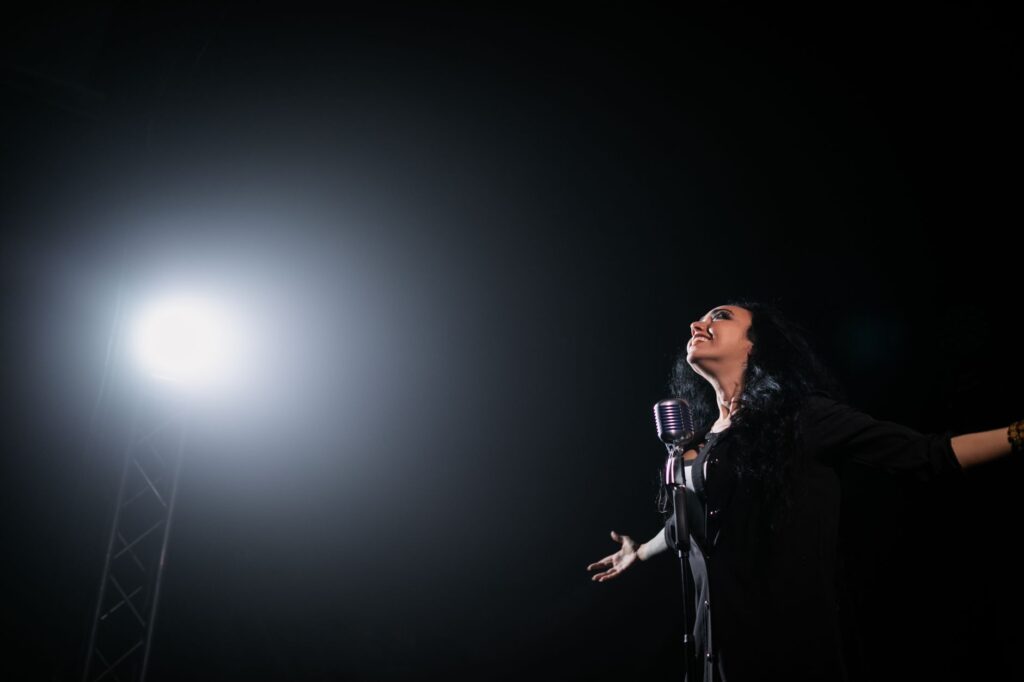
True trance is not about escaping reality. It is about converting human pain into collective light.
Why the algorithm cannot replicate emotional necessity
Today, streaming platforms push optimized content designed to fill background noise. Algorithms analyze tempo, key, and frequency balance to generate predictable playlists. But no mathematical code can generate the quiet desperation of a singer mourning his dying friend. No data model can predict the exact moment a melody transforms private sorrow into an immortal celebration of life.
Tracks like This Is What It Feels Like endure because they were written out of absolute emotional necessity. They were not calculated in a corporate songwriting camp to hit a playlist mood. They were bled onto a page because the creator had no other choice. That raw, urgent human spirit is what we fight for at Radical Sound Connection. Explore our Selection to find records that still honor this unfiltered ethos, or submit your music if your tracks carry genuine soul over algorithmic formulas.
Music is not background audio for passive consumption. It is emotional urgency captured in sound waves. Never let a machine tell you what a song should mean to your heart.