The studio is dead quiet. There is no automated recommendation engine humming in the background, no predictive text suggesting the next chord progression, and no algorithm trying to smooth out the rough edges of human expression. For thirty years, Thomas Bangalter lived inside a helmet of polished chrome. As one half of Daft Punk, he helped build the sonic architecture of the modern world, using machines to make millions of human hearts beat in perfect sync. Yet, when confronted with the rise of generative artificial intelligence in creative spaces, the pioneer has made his stance clear: he is not interested in AI music tools.
This is not the reactionary grumbling of an analog purist who fears the future. It is a profound philosophical boundary drawn by someone who has spent his entire life pushing technology to its absolute limit. Bangalter understands machines better than almost any living producer, which is precisely why he knows where their utility ends and where true art begins. His refusal to engage with generative AI is a warning flare sent from the vanguard of electronic music culture.
The irony of the chrome helmet
To understand why Bangalter is turning his back on AI, we have to look back at the mythology he helped create. The robot personas of Daft Punk were never about celebrating the cold efficiency of technology. They were a brilliant, decades-long piece of performance art designed to highlight the contrast between human emotion and mechanical precision. By putting on the helmets, Bangalter and Guy-Manuel de Homem-Christo became mirrors. They forced us to look at our own vulnerability through the lens of the machine.
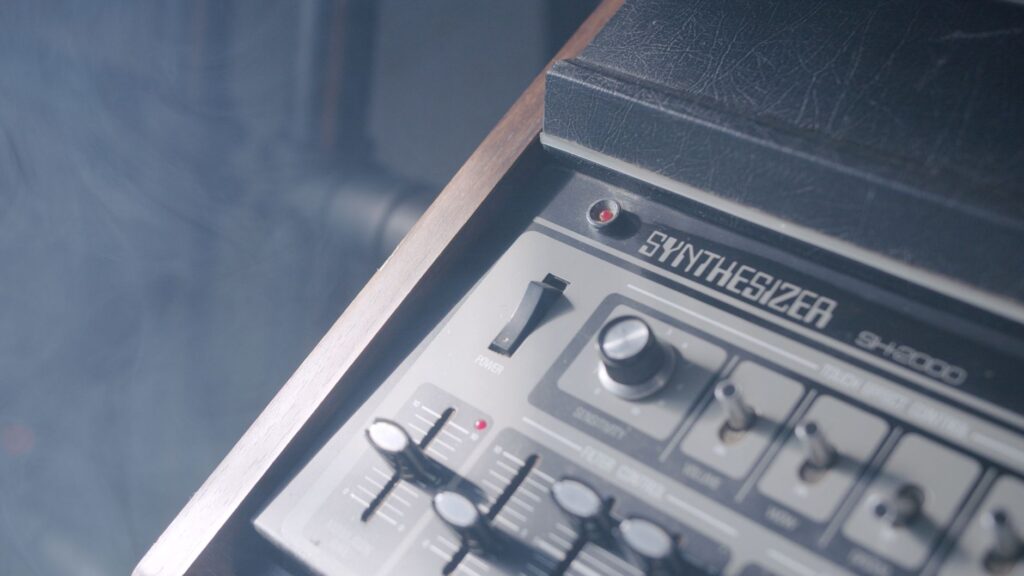
The magic of classics like Discovery or Homework did not come from the synthesizers themselves, but from the tension of human hands manipulating those physical dials. It was the physical struggle against the limitations of the hardware that gave those tracks their timeless warmth. When Bangalter speaks about technology today, he notes that his relationship with machines was always deeply ironic. The moment the machine stops being a tool and starts making the creative decisions for us, the irony evaporates, leaving behind a hollow, sterile digital landscape.
Why artificial intelligence cannot feel the struggle
The fundamental flaw of generative music tools is that they operate on probability, not urgency. An algorithm analyzes millions of existing data points to calculate what note should logically follow the last one. It optimizes for consensus, aiming to create a product that is mathematically pleasing and entirely devoid of friction. But great art has never been about consensus. It is born from friction, desperation, and the deliberate artistic choice to do something illogical.
True art is not the result of a calculation; it is the physical residue of a human being trying to make sense of their own existence.
When an artist sits in a room and struggles with a melody, they are making thousands of micro-decisions based on their personal trauma, their joy, their fatigue, and their environment. An AI does not get tired. It does not feel the sting of heartbreak. It does not know the terror of a blank canvas. Therefore, the sounds it generates are empty vessels, perfectly polished shells with no soul inside. Bangalter’s rejection of these tools is a defense of the creative struggle itself. He understands that if we automate the struggle, we destroy the very reason we listen to music in the first place.
The beauty of the human mistake
In electronic music, perfection is the enemy of groove. The tracks that make us cry on the dancefloor are almost always flawed. It is the slight rush in a drum fill, the analog drift of an oscillator that refuses to stay perfectly in tune, or the over-saturated crunch of a mixer channel pushed too hard. These are the elements that give music its texture and its humanity.
If you look at our curated playlist in our Selection, you will find music that lives in these imperfect spaces. AI tools are programmed to eliminate these errors. They seek a pristine, normalized output that fits perfectly into a background playlist. But we do not want background music. We want sounds that grab us by the throat, and that requires the presence of human error.
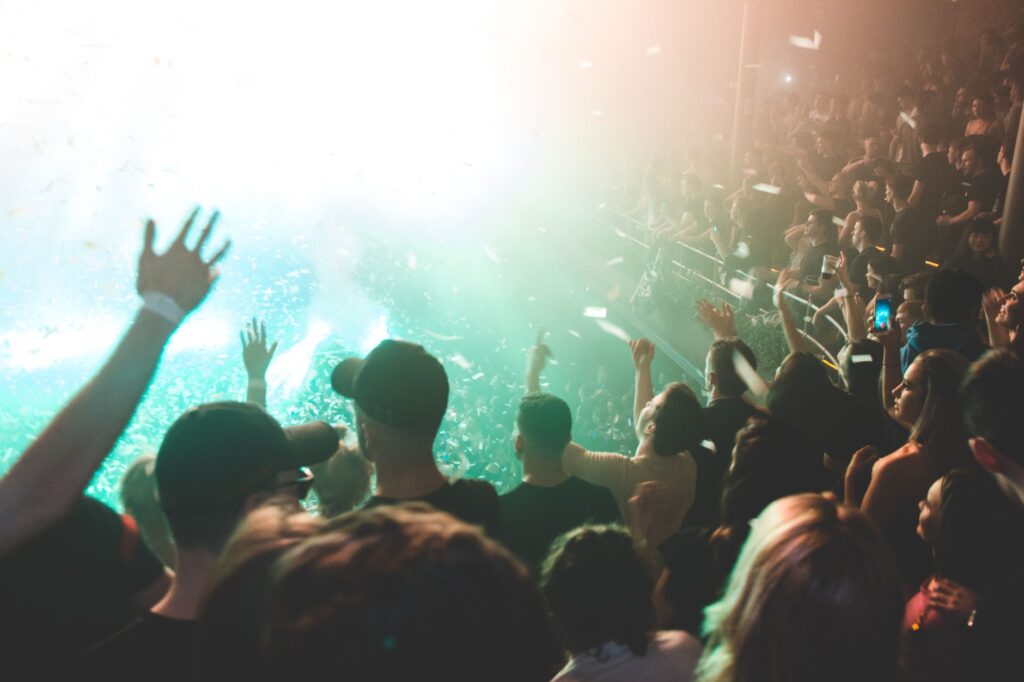
The algorithm wants perfection, we want friction
The push toward AI-generated music is driven by a corporate desire for endless, cheap content. It is designed to keep users scrolling, tapping, and consuming without ever stopping to think or feel. It is the ultimate expression of the algorithm: art stripped of its danger. To resist this trend, we must celebrate the physical, tactile reality of music creation:
- The unpredictable warmth of physical analog synthesizers.
- The micro-timing variations of a live human drummer.
- The raw, unedited vulnerability of a vocal take recorded in a bedroom.
- The happy accidents that occur when hardware routing goes wrong.
Bangalter’s transition to composing orchestral music for works like Mythologies is the natural continuation of this philosophy. He went from programming digital sequencers to writing scores for dozens of acoustic instrumentalists. He traded the ultimate control of the computer for the chaotic, breathing reality of a live orchestra. It was a move away from the predictable and toward the deeply human.
The future of electronic music does not belong to the developers of music-generating software. It belongs to the rebels who refuse to let the machine do the feeling for them. If you are making music that comes from the heart, untouched by sterile corporate algorithms, we want to hear it. You can submit your music to our collective and join a community that values raw human expression over mathematical perfection. Let the robots stay in the factory; we belong on the dancefloor.