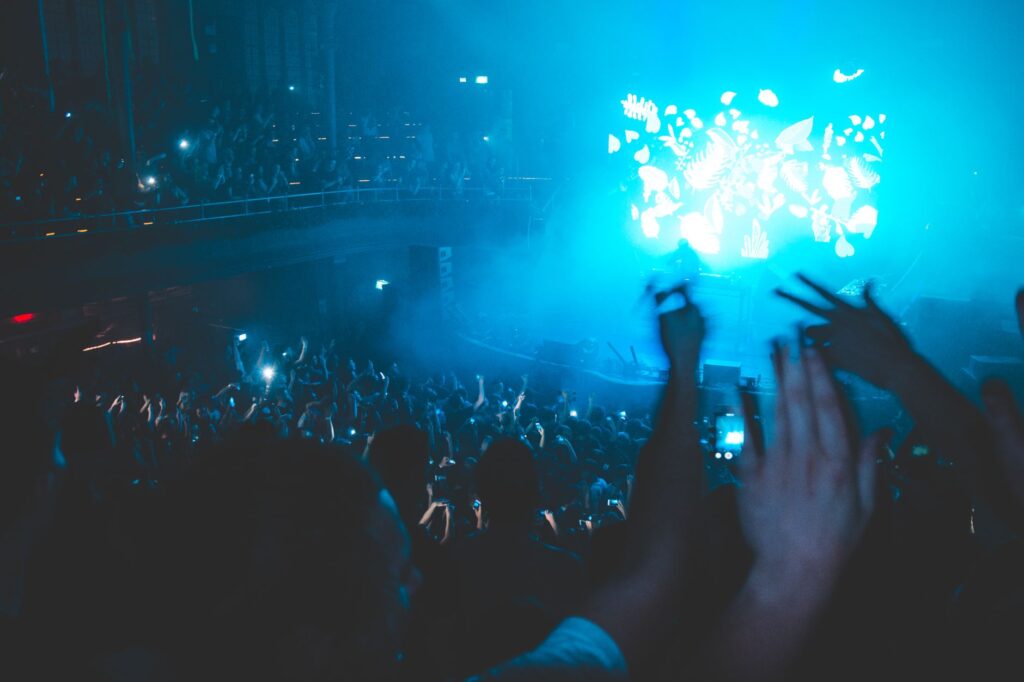
The air is thick with sweat and condensation. You cannot see the person next to you, but you can feel their body heat, their breath, their frantic heartbeat. The strobe light freezes a thousand raised hands in mid-air, turning a dark, crowded warehouse into a living, breathing monument of human connection. Then, the drums fade away. A cold, sharp silence falls over the room, broken only by the low, mourning hum of synthetic strings. It is a familiar tension, a collective intake of breath. Everyone in the room knows what is coming, yet the anticipation is almost too much to bear. This is not a background track for a social media video. This is a nine-minute ritual of pure, unadulterated catharsis.
When Tiësto released his electronic adaptation of Samuel Barber’s classic composition, he did not just create a club hit. He forged a weapon. Released as a single in 2005 from his groundbreaking album, Just Be, this track became the definitive anthem of an entire generation of ravers. It proved that electronic dance music could carry the weight of classical tragedy while fueling a high-velocity revolution on the dancefloor. Decades later, as modern nightlife struggles under the weight of commercial curation and short-form content, this masterpiece stands as a towering reminder of what we have lost, and what we must fight to reclaim.
The night classical tragedy became rave ecstasy
To understand the power of this track, one must understand its origins. Samuel Barber wrote his original orchestral piece in 1936, creating a work of intense, slow-burning sorrow that has been used to mark some of the most tragic moments in modern human history. It is a composition designed to evoke tears, grief, and ultimately, healing. Taking such a sacred monument of classical music and translating it for the dark, sweaty confines of a nightclub was an incredibly risky move. Yet, Tiësto recognized that the raw emotion of classical music shared a direct lineage with the spiritual euphoria of trance.
The electronic version did not cheapen Barber’s vision: it amplified it. By layering those weeping strings over a relentless, driving bassline and a classic Roland JP-8000 supersaw synth, the track translated orchestral grief into synthetic energy. It allowed thousands of people to experience a shared, transcendent release. You can read more about the historical impact of this adaptation on the official Wikipedia page for the track. It was a perfect marriage of high art and underground rebellion, proving that the dancefloor could be a space for deep emotional processing, not just mindless distraction.
The real dancefloor is not a backdrop for your lifestyle brand: it is a sacred temple where we trade our isolation for collective euphoria.
The war against the fifteen second algorithm
Today, the global dance music scene faces a quiet crisis. The modern clubbing experience has been systematically sanitized to fit the demands of social media platforms and high-paying VIP guests. We see clubs designed around photo opportunities rather than sound quality. We see DJs playing sets designed to trigger fifteen-second viral moments on TikTok, sacrificing the art of the long-form journey for instant gratification. The modern clubber is encouraged to document the night rather than live it, standing with phones held high, watching the show through a five-inch screen.
This is where the classic trance formula becomes an act of pure defiance. A track like this cannot be condensed into a short clip without losing its soul. It requires patience. It demands that you stand in the darkness, enduring minutes of rising tension, allowing the music to build a foundation before it finally delivers the payoff. It is the ultimate middle finger to the sterile VIP culture that values table service over sweat, and curation over chaos. We celebrate this uncompromising spirit in our curated selection of timeless masterpieces, showcasing music that refuses to bow to corporate trends.
Anatomy of a nine-minute masterpiece
The brilliance of the track lies in its structural patience. The arrangement does not rush to the peak. It begins with a driving, hypnotic percussion loop that locks the crowd into a physical rhythm, preparing their bodies for the emotional weight to come. When the percussion drops out, the listener is left suspended in mid-air. The strings enter, rising step by step, octave by octave, mimicking the original classical arrangement but carrying a electronic warmth that vibrates through the floorboards.
The build-up is a masterclass in tension control. It does not rely on cheap tricks, sudden pitch rises, or chaotic noise. Instead, it relies on the natural harmonic progression of Barber’s chords, slowly gathering energy until the synthetic lead synth cuts through the air like a lightning bolt. When the beat finally drops, it is not a chaotic explosion of sound: it is a resolved, triumphant release that feels like breaking through the surface of the water after minutes of holding your breath. It is an experience that must be earned through patience, a concept that modern fast-food music production has entirely forgotten.
Reclaiming the sacred space of the dancefloor
We need to bring this energy back to the underground. The corporate takeover of nightlife has convinced a generation of clubbers that electronic music is merely a soundtrack for status. But the real movement has always lived in the shadows, among the people who seek connection rather than clout. We must demand more from our clubs, our DJs, and ourselves. We must turn off the screens, step away from the VIP areas, and lose ourselves in the music once again.
If you are an artist who still believes in the power of the journey, who refuses to write music for algorithms, and who wants to create art that outlives the weekly charts, we want to hear from you. We invite you to submit your music to our movement and join us in defending the true spirit of the dancefloor. Let us keep the fire burning, far away from the sterile lights of the corporate machine.
To experience the enduring legacy of this anthem, you can visit the official Tiësto website. Let us remember that the dancefloor is our sanctuary, and some anthems are built to last forever.