The silence of the studio after the export button is pressed has a specific weight. It is the lingering vibration of a low-end frequency that took three days to perfect. You have created something honest, a piece of your soul captured in a WAV file. But the moment of triumph is instantly crushed by a cold, modern anxiety. The track is done, but the machine is not satisfied. The machine demands eyes, not just ears. The digital landscape has evolved, and the music alone is no longer enough to survive.
We no longer live in an era where a white label vinyl and a prayer can ignite a dancefloor. Today, a track does not exist unless it is accompanied by a flashing screen. It needs a 16:9 high-definition visualizer for YouTube, a vertical 9:16 loop for TikTok, a hypnotic eight-second square for a Spotify Canvas, and a landscape banner for a Beatport premiere. The music itself has become a secondary asset to the visual scroll, forcing musicians to become marketing directors overnight.
This is not a creative choice, it is a survival tactic. A recent study by Berklee College of Music in their 2026 survey revealed a staggering truth: 74.8 percent of artists feel intense pressure to deliver visuals for their music releases. More than three-quarters of our global creative class are spending their sacred studio hours staring at video editing timelines instead of synthesizer filters. The toll is real, and the exhaustion is palpable.
The crushing weight of the visual mandate
Every format demands a different language. The festival peak-time ID requires explosive, strobing energy that matches the drop. The deep house EP requires a slow, organic, drifting loop that complements the late-night atmosphere. To hire a professional animator for every single release is a luxury reserved for major label elites. For the independent producer operating from a bedroom studio, it is a financial impossibility.
This pressure creates a dangerous compromise. Artists begin to sacrifice their sonic identity to feed the content monster. They spend less time mastering the kick drum and more time learning keyframes. The art suffers because the distribution channels demand a continuous stream of video assets. We are witnessing the dilution of electronic music, not because the talent is gone, but because the gatekeepers have traded our ears for eyeballs.
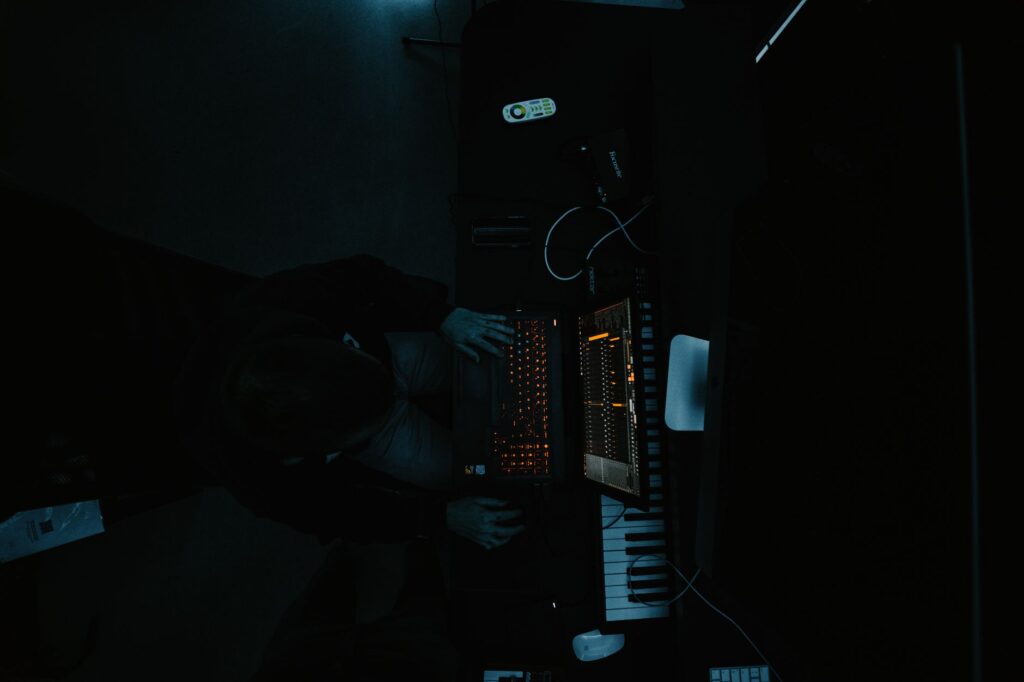
Enter the machine: AI as the ultimate creative shield
In this hostile ecosystem, artificial intelligence is not the enemy. It is a shield. While the purists argue about the soul of generative art, working-class producers are quietly using these tools to take back their time. AI video generators have evolved from bizarre, melting fever dreams into precision instruments capable of translating sound waves into raw visual narratives.
We must stop treating visual content as the price of admission to the music industry. AI is not replacing our creativity, it is rescuing it from the digital sweatshop of the algorithm.
The power of modern AI tools lies in their ability to solve the multi-format crisis with a single prompt. A producer can feed their track into a generator, establish a visual aesthetic, and output a high-fidelity video that automatically scales to every necessary resolution. The days of manual resizing, re-rendering, and adjusting safe zones for social media platforms are over. AI does the heavy lifting, leaving the human free to dream.
These tools act as a force multiplier for the independent creator. By automating the tedious, technical aspects of video creation, they allow artists to return to what actually matters: the music. The goal is not to replace human directors, but to democratize the visual landscape so that a kid in a basement can compete with a major label budget.
The essential toolkit for the multi-format producer
Navigating the landscape of AI video generators can be overwhelming. To survive the visual roll-out of your next release, you need to build a workflow that is efficient, adaptable, and deeply aligned with your sonic brand. Here is how the modern independent producer can leverage these platforms to conquer every format from a single audio file.
- Dynamic audio-reactive engines: Platforms like Kaiber allow you to upload your master WAV file directly, using the actual transient data of your drums to drive the visual movements, ensuring perfect sync with the music.
- High-fidelity cinematic generators: Tools like Runway Gen-2 offer unparalleled control over camera movements and visual texture, allowing you to generate sweeping, cinematic landscapes that match the atmosphere of ambient or progressive tracks.
- Automated format adaptors: Modern generative suites now include smart-cropping and aspect ratio conversion tools, allowing you to turn a 16:9 YouTube visualizer into a 9:16 vertical loop with a single click.
- Real-time loop creators: Perfect for Spotify Canvas, these tools can generate seamless, infinite loops that capture the hypnotic, repetitive nature of house and techno without ever showing a visible seam.
Reclaiming the sound in a visual world
We must remember that the visual is the wrapper, not the candy. The ultimate purpose of a video is to draw the listener into the world of the sound. When you explore our selection of the most uncompromising electronic music, you realize that the best tracks possess an inherent visual language of their own. The synths paint the sky, and the bass constructs the room.
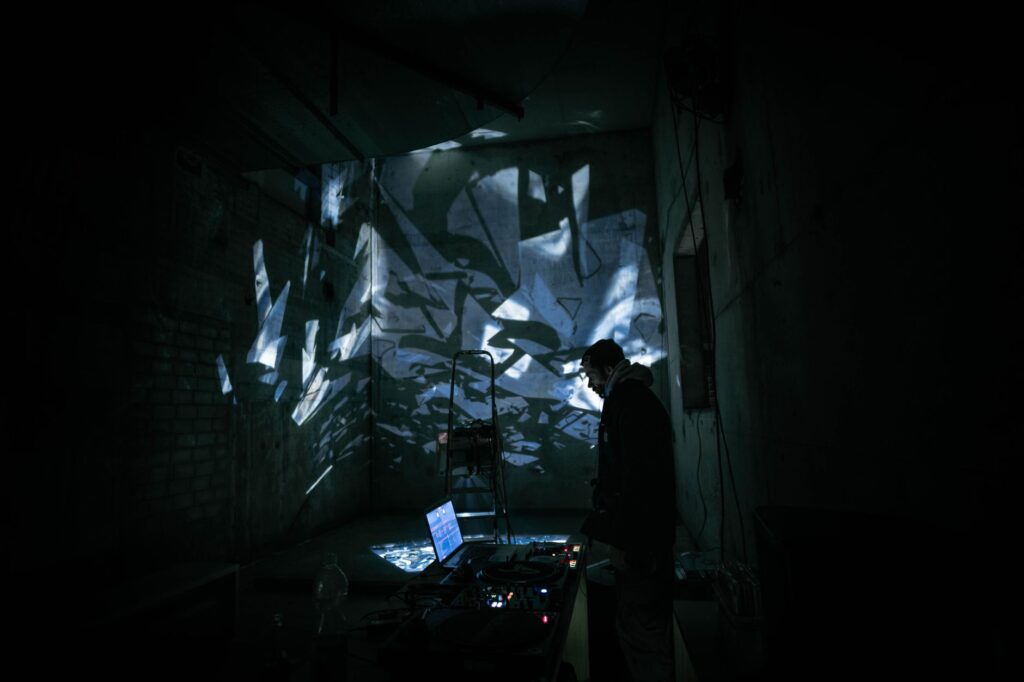
By embracing AI tools, we are not selling out to the machine. We are using the machine to defeat the algorithm. We are automating the superficial demands of the industry so we can preserve the sacred, human process of making music. Do not let the pressure of the visual roll-out silence your voice.
The dancefloor does not care about your video rendering times. It cares about the feeling that hits when the lights go down and the system kicks in. Focus on the sound, automate the noise, and keep creating. If you have a track that refuses to be silenced by the scroll, submit your music to our collective and let us tell the true story behind your sound.