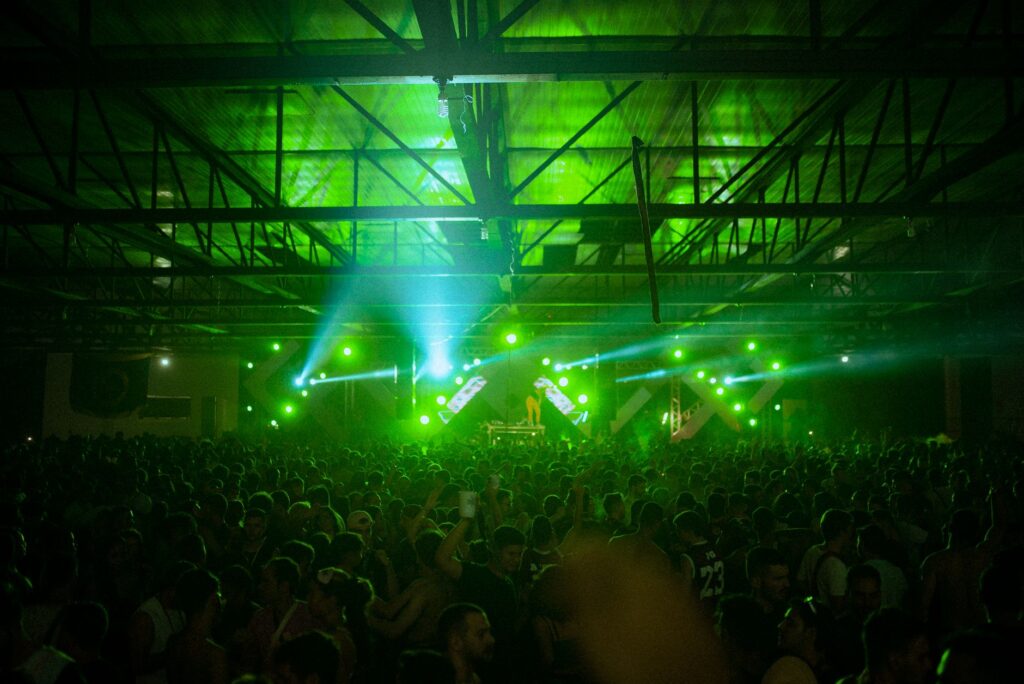
It is 3 AM in the year 2000. The air inside the warehouse is heavy, thick with the scent of sweat, humidity, and dust kicked up by thousands of moving feet. No glowing blue screens block your view of the DJ booth. There are no cameras recording for social media, no influencers posing in VIP booths, and no one is checking their notifications. There is only the darkness, the strobe lights, and the collective breath of thousands of human beings sharing the same physical space. Then, the kick drum fades out. A dark, atmospheric synth pad begins to rise from the silence, carrying with it a sense of deep, spiritual weight. It does not rush. It does not drop in ten seconds. It demands your time, your patience, and your soul.
This was the moment the world first experienced the true power of the remix of Silence by Delerium featuring Sarah McLachlan, re-imagined by the legendary Dutch producer Tiësto for his iconic In Search of Sunrise series. Spanning nearly twelve minutes, this track is not just a dancefloor anthem. It is a monument of progressive trance, a spiritual journey that stands as a direct, unapologetic rebellion against the modern, bite-sized content that dominates our current electronic music culture. It is the ultimate proof that true euphoria cannot be manufactured by an algorithm.
The night the clock stopped ticking
Before it became a global dancefloor phenomenon, the original version of Silence was a haunting, down-tempo art piece created by Bill Leeb and Rhys Fulber, the minds behind the Canadian industrial ambient project Delerium. It was dark, introspective, and deeply melancholic. The magic happened when they paired this gothic soundscape with the ethereal, soaring vocals of singer Sarah McLachlan. Her voice carried a raw, human vulnerability that felt almost too delicate for the club world. It was a song about isolation, grief, and the search for peace in a noisy world.
Then came the remix. When the track landed in the hands of a young, hungry producer from Breda, he saw something else within the darkness. He did not strip away the melancholy, instead, he weaponized it. He wrapped Sarah McLachlan’s vocals in a driving, progressive bassline and surrounded her words with layers of uplifting, emotional synths. He understood that the greatest dancefloor moments are not built on mindless energy, but on the tension between sadness and hope. By stretching the journey to nearly twelve minutes, he created a space where listeners could lose themselves completely, transcending the limits of the club and entering a state of pure, collective meditation.
The twelve-minute rebellion against the algorithm
Compare this masterpiece to the landscape of electronic music today. We live in an era where tracks are engineered to survive the first ten seconds of an Instagram Reel or a TikTok video. The modern music industry is obsessed with immediacy. Tracks are shorter, arrangements are simpler, and the slow build-up has been systematically erased in favor of instant gratification. We are being fed generic, algorithm-friendly loops designed to serve as background music for social media content. The modern club has too often become a content studio where people stand with their phones in the air, documenting an experience they are not actually having.
Silence is the absolute antithesis of this shallow culture. You cannot appreciate this track in a ten-second clip. It is a composition that requires you to surrender your attention span. It teaches us the art of patience. The track spends minutes building its groove, layering percussion and bass, before the vocals even begin to whisper in your ear. It forces the listener to wait, to feel the tension grow, and to earn the eventual release. When the main breakdown finally arrives, it feels like a spiritual awakening because we have traveled through the dark to get there.
True electronic dance music is not a commodity to be consumed in fifteen-second increments, it is a visceral, human ritual that requires our absolute presence and patience.
This is why we continue to champion these timeless masterpieces in our Selection of essential music. We refuse to let the fast-food culture of modern streaming platforms dictate the future of our culture. We believe in music that leaves a scar on your soul, not just a temporary spike in your dopamine levels.
Anatomy of a spiritual peak
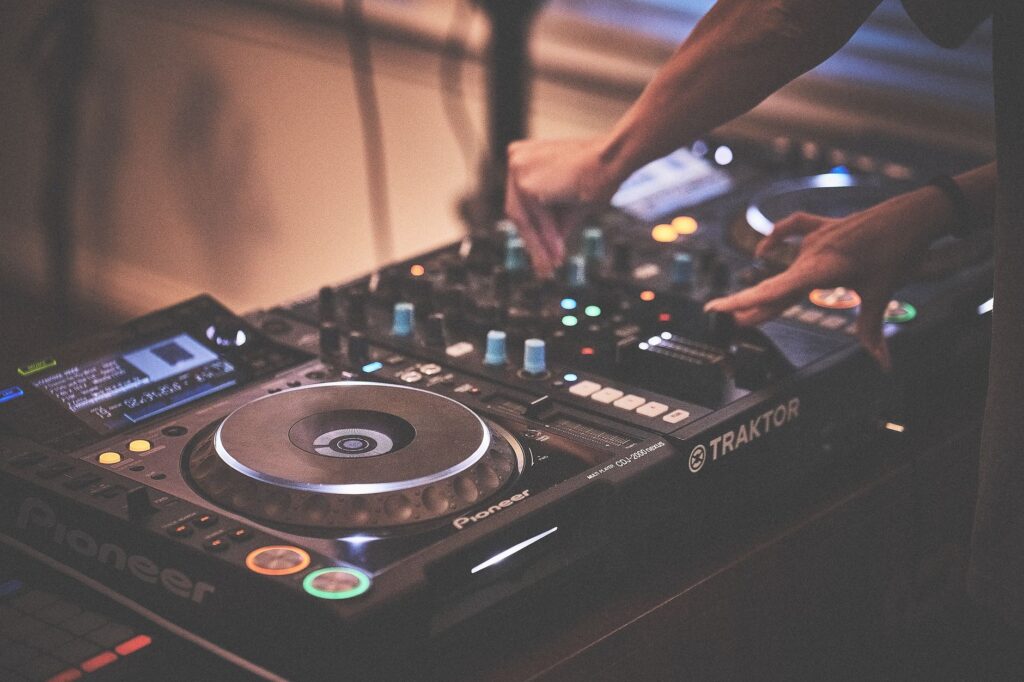
To understand why this track still gives us chills after more than two decades, we must dissect its structure. The brilliance lies in how the remix manages tension and release. It is a masterclass in progressive arrangement that modern producers would do well to study. Here is why the track operates on a higher spiritual plane:
- The atmospheric introduction: The track begins with a steady, hypnotic groove, slowly introducing melodic fragments that hint at the emotional storm to come, establishing a deep trance state.
- The vocal isolation: When Sarah McLachlan’s vocals enter, the driving percussion strips away, leaving her voice floating over a sea of warm pads, creating an intense feeling of vulnerability and intimacy.
- The legendary build-up: The breakdown is a steady, emotional ascent. The lead synth melody slowly climbs, step by step, tension building upon tension, until the pressure in the room becomes almost unbearable.
- The cathartic release: When the kick drum finally drops back in, it is not a aggressive shock to the system, but a beautiful, soaring wave of relief that sweeps across the entire dancefloor.
Why we must reclaim the dancefloor
The legacy of this remix is a call to arms for everyone who values the real, raw spirit of electronic dance music. It is a reminder of what we lose when we let commercial interests and social media metrics dictate our art. The dancefloor was never meant to be a place for passive consumption or personal branding. It was created to be a sanctuary, a sacred space where we could escape the pressures of the outside world and connect with something larger than ourselves.
We need to bring back the twelve-minute journeys. We need to support the artists who are brave enough to make music that does not fit into a neat, commercial box. If you are a producer creating music with depth, soul, and a refusal to compromise for the algorithm, we want to hear your voice, and we invite you to submit your music to our movement. Let us reclaim the sweat, the darkness, and the beautiful, patient silence that makes the music real.
Turn off your phone, close your eyes, and let the music take its time to heal you. The dancefloor is waiting for your presence, not your screen.